Understanding EEG Monitoring Services: A Comprehensive Guide
Introduction to EEG Monitoring Services
EEG monitoring services have become a cornerstone in the medical field, offering critical insights into brain activity. These services are utilized for diagnosing neurological disorders, monitoring brain activity during surgery, and even in research settings. Understanding how EEG monitoring works can help patients and healthcare providers make informed decisions.
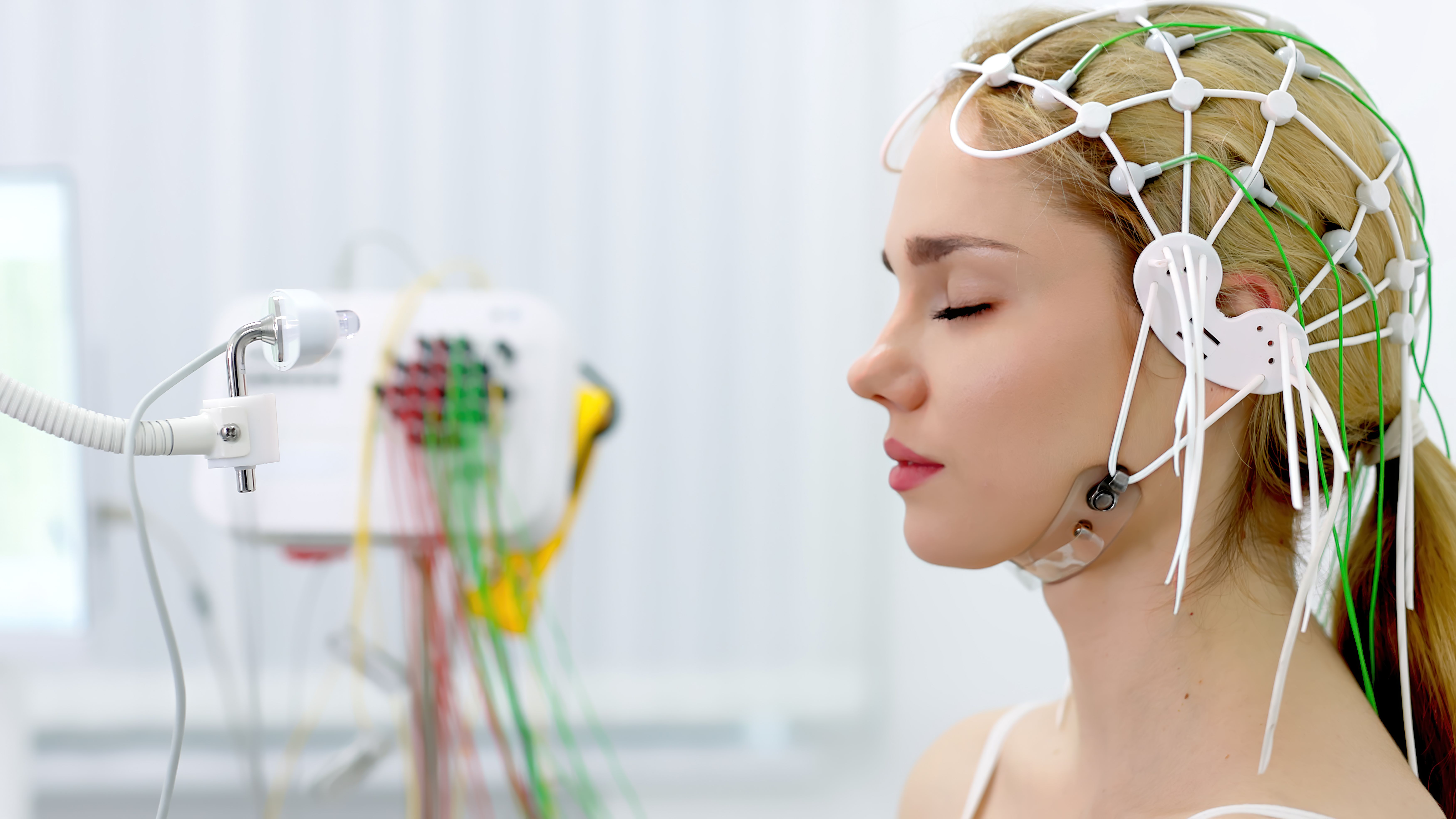
Electroencephalography, or EEG, involves measuring electrical activity in the brain using electrodes placed on the scalp. This non-invasive method provides real-time data that can be crucial for diagnosing conditions like epilepsy, sleep disorders, and more.
How EEG Monitoring Works
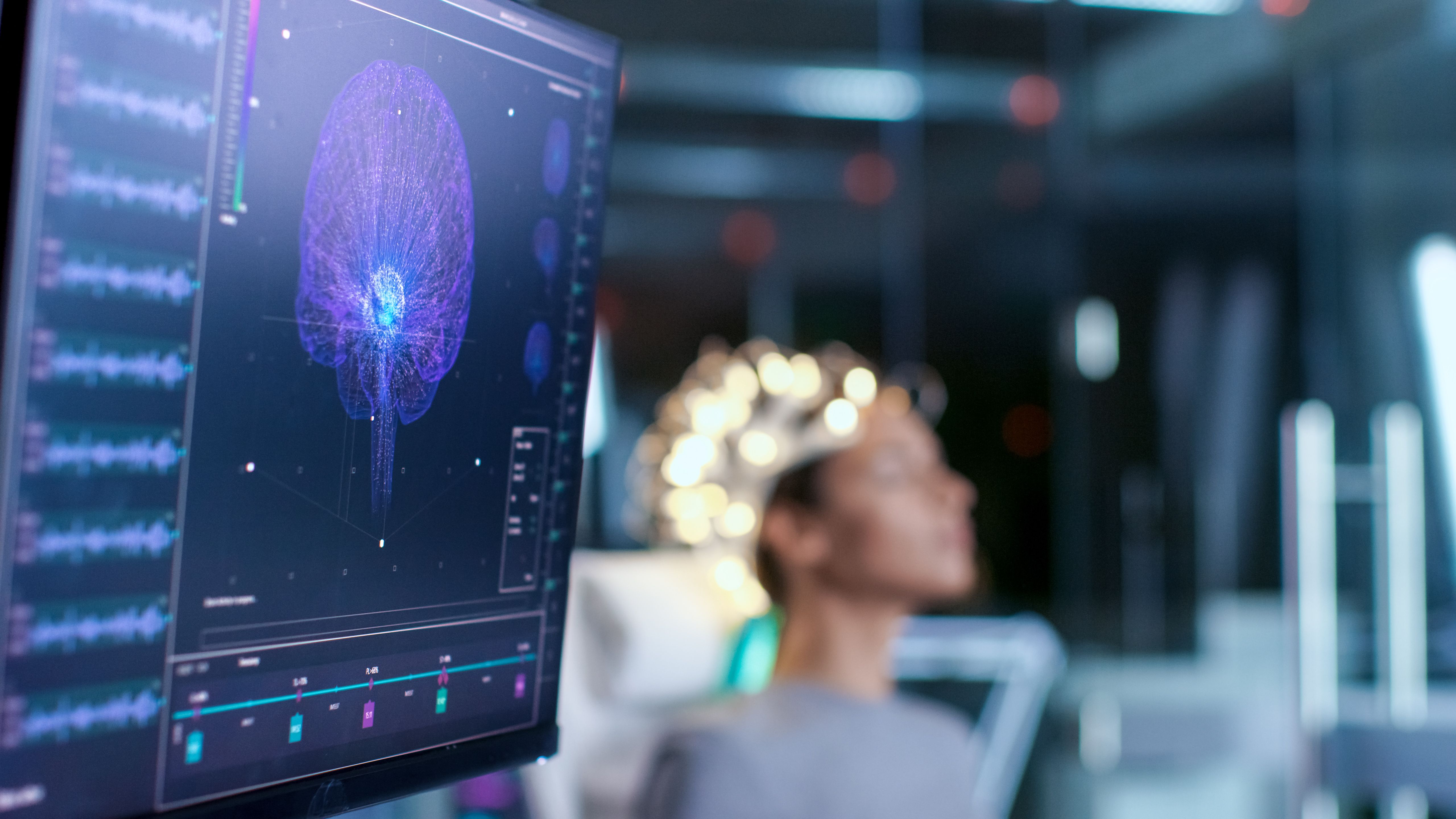
EEG monitoring involves placing small electrodes on the scalp to detect electrical signals produced by neurons in the brain. These signals are then amplified and recorded by a computer. The resulting data is displayed as wave patterns, which can be analyzed by healthcare professionals.
The procedure is painless and generally takes about an hour. Patients are usually asked to relax, and various stimuli or tasks may be introduced to observe how the brain responds under different conditions.
Applications of EEG Monitoring
EEG monitoring is employed in a variety of medical settings. One of the primary uses is in diagnosing epilepsy by identifying abnormal brain wave patterns. Additionally, it plays a role in sleep studies, helping to diagnose disorders like sleep apnea or narcolepsy.
Moreover, EEG is used in research to study brain functions and cognitive processes. It also assists in monitoring brain activity during surgical procedures, ensuring the patient's safety and well-being.
Benefits of EEG Monitoring
The benefits of EEG monitoring are vast. It provides a non-invasive, cost-effective way to gain insights into brain function. The data it offers can lead to accurate diagnoses, helping tailor treatments and interventions to individual patient needs.
- Non-invasive and painless procedure
- Real-time data collection
- Essential for diagnosing various neurological conditions
Challenges and Considerations
While EEG monitoring offers numerous advantages, there are challenges to consider. The interpretation of EEG data requires specialized expertise, and results can sometimes be affected by external factors like movement or electrical interference.
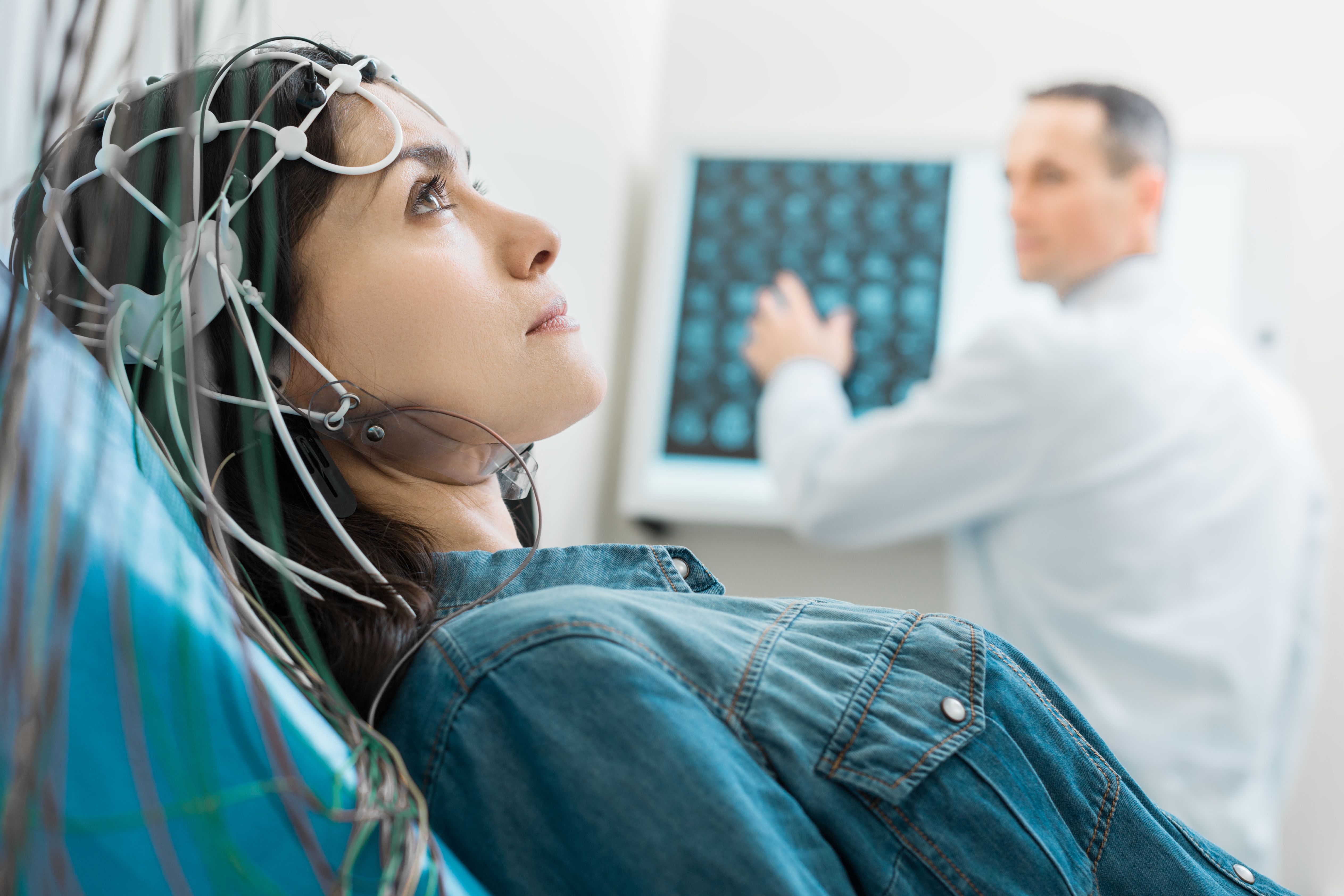
It's essential for patients to follow pre-test instructions carefully to ensure accurate results. Healthcare providers must also be trained in both the technical aspects of EEG and in the interpretation of its data.
Conclusion
EEG monitoring services play a critical role in the medical field, offering valuable insights into brain activity. By understanding how these services work and their applications, patients and healthcare providers can leverage this technology for better health outcomes.
As advancements continue, EEG monitoring is likely to become even more integral to medical diagnostics and research. Whether you're a patient or a healthcare professional, understanding EEG monitoring is a step toward leveraging its full potential.