Understanding EEG: Key Insights from SugarLand Neurodiagnostics Experts
Understanding EEG: An Introduction
Electroencephalography, or EEG, is a non-invasive method used to record electrical activity in the brain. It's a vital tool in diagnosing and monitoring several neurological conditions. At its core, EEG helps in understanding how the brain functions and reacts to various stimuli, making it invaluable in both clinical and research settings.
EEG is commonly used to diagnose epilepsy, sleep disorders, and other brain-related conditions. By placing electrodes on the scalp, it captures brain wave patterns, offering insights into the brain's electrical activity. This data is crucial for healthcare professionals to make informed decisions about patient care.
How EEG Works
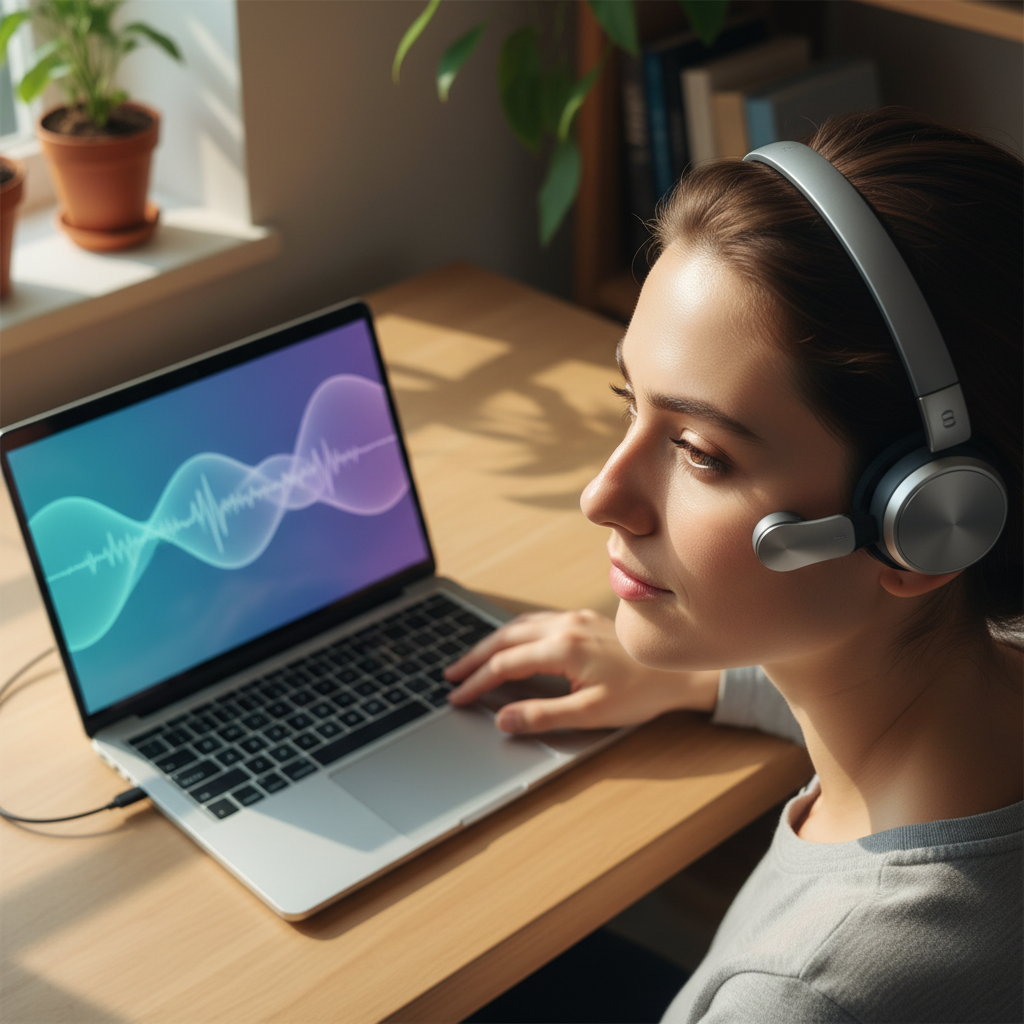
The process of conducting an EEG involves attaching a series of small, flat metal discs called electrodes to the scalp. These electrodes detect tiny electrical charges resulting from brain cell activity. The recorded data is then interpreted by neurologists to identify any irregularities.
EEG tests are painless and usually last between 20 to 40 minutes. During the procedure, patients may be asked to perform simple tasks like breathing deeply or looking at flashing lights, which helps in triggering changes in brain activity.
Key Insights from SugarLand Neurodiagnostics Experts
SugarLand Neurodiagnostics is renowned for its expertise in EEG technology. Their specialists emphasize the importance of a comprehensive approach to EEG interpretation, considering not only the electrical patterns but also the patient's medical history and symptoms.
According to experts, one of the primary benefits of EEG is its ability to detect abnormalities that might not be visible through other imaging techniques like MRI or CT scans. This makes EEG an essential tool in early diagnosis and treatment planning.
Applications of EEG
EEG is not limited to diagnosing epilepsy. It plays a crucial role in understanding sleep disorders, brain injuries, and even mental health conditions. By analyzing brain wave patterns, healthcare providers can tailor treatments to meet individual patient needs.
Recent Advances in EEG Technology
In recent years, advancements in EEG technology have led to more portable and user-friendly devices. These innovations make it easier for patients to undergo EEG tests without the need for a hospital visit. Portable EEG devices are particularly beneficial for long-term monitoring, providing continuous data that enhances patient care.
Moreover, the integration of artificial intelligence with EEG has opened new avenues for automated analysis, offering quicker and more accurate results. This progress is revolutionizing the way neurological conditions are diagnosed and managed.
Preparing for an EEG Test
Patients undergoing an EEG test should follow specific guidelines to ensure accurate results. It's recommended to avoid caffeine and maintain a normal sleep schedule before the test. Clean, dry hair is also essential to ensure good electrode contact.
During the test, patients should remain relaxed and follow the technician's instructions. Understanding what to expect can help alleviate any anxiety associated with the procedure.
The Future of EEG
The future of EEG holds exciting possibilities with continued advancements in technology and analytical methods. As research progresses, EEG will likely play an even more significant role in personalized medicine, offering tailored treatment plans based on individual brain activity patterns.
With ongoing innovation, EEG continues to be a cornerstone of neurodiagnostic science, providing critical insights into the complex workings of the human brain.