Understanding EEG: How It Works and Why It's Essential
What is EEG?
Electroencephalography, commonly known as EEG, is a non-invasive method used to record electrical activity of the brain. It involves placing electrodes along the scalp to capture the brain's spontaneous electrical signals. These signals are crucial for understanding various brain functions and conditions.
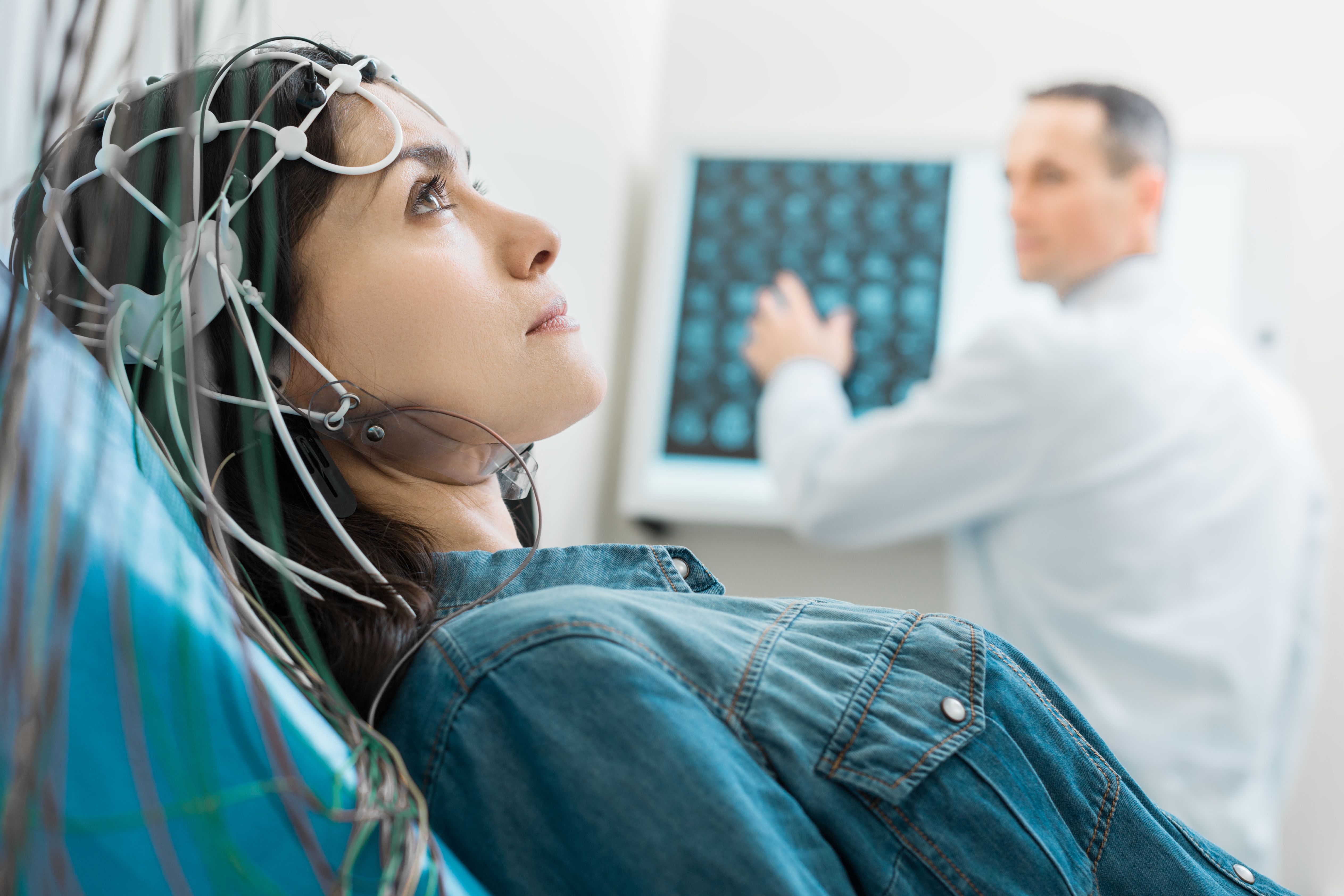
EEG is widely used in both clinical settings and research. It helps in diagnosing conditions such as epilepsy, sleep disorders, and brain injuries. By understanding the brain's electrical activity, doctors and researchers can make informed decisions about treatment and further studies.
How Does EEG Work?
EEG works by detecting electrical impulses generated by brain cells, known as neurons. These impulses are transmitted through electrodes placed on the scalp. The electrodes are connected to an amplifier and a computer, which records the activity as brain waves.
There are different types of brain waves captured by EEG, including alpha, beta, theta, and delta waves. Each type of wave corresponds to different states of brain activity, such as alertness, relaxation, or deep sleep.

EEG Procedure
The EEG procedure is straightforward and painless. Here’s what typically happens:
- The patient is asked to lie down or sit comfortably.
- Electrodes are attached to the scalp using a special conductive gel or paste.
- The patient is asked to relax and remain still while the EEG records brain activity.
- The procedure usually takes about 30 to 60 minutes.
Why EEG is Essential
EEG is essential for diagnosing and monitoring neurological disorders. It is particularly valuable for:
- Epilepsy Diagnosis: Detects abnormal electrical activity associated with seizures.
- Sleep Disorders: Helps understand sleep patterns and disorders like insomnia or sleep apnea.
- Brain Injuries: Assesses brain function post-injury or surgery.

Beyond clinical use, EEG is crucial in research for studying brain functions and cognitive processes. It provides insights into how the brain responds to different stimuli, aiding in the development of new therapeutic techniques.
Advancements in EEG Technology
Recent advancements in EEG technology have made it more accessible and accurate. Portable EEG devices allow for monitoring outside traditional clinical settings, and advanced software provides more detailed analysis of brain activity.
These innovations have expanded the use of EEG in fields like neurofeedback and brain-computer interfaces, opening up new possibilities for medical and technological applications.
Conclusion
Understanding EEG and its applications is essential for both medical professionals and researchers. Its ability to provide real-time insights into brain activity makes it a powerful tool for diagnosis, treatment, and research. As technology evolves, EEG will continue to play a vital role in unlocking the mysteries of the human brain.