Understanding EEG: A Comprehensive Guide to Brain Health
Introduction to EEG
Electroencephalography, commonly known as EEG, is a fascinating and powerful tool used to study brain activity. By recording electrical impulses from the brain, EEG provides valuable insights into brain health and function. Whether you're exploring EEG for medical, research, or personal interest, understanding its core components is crucial.

How EEG Works
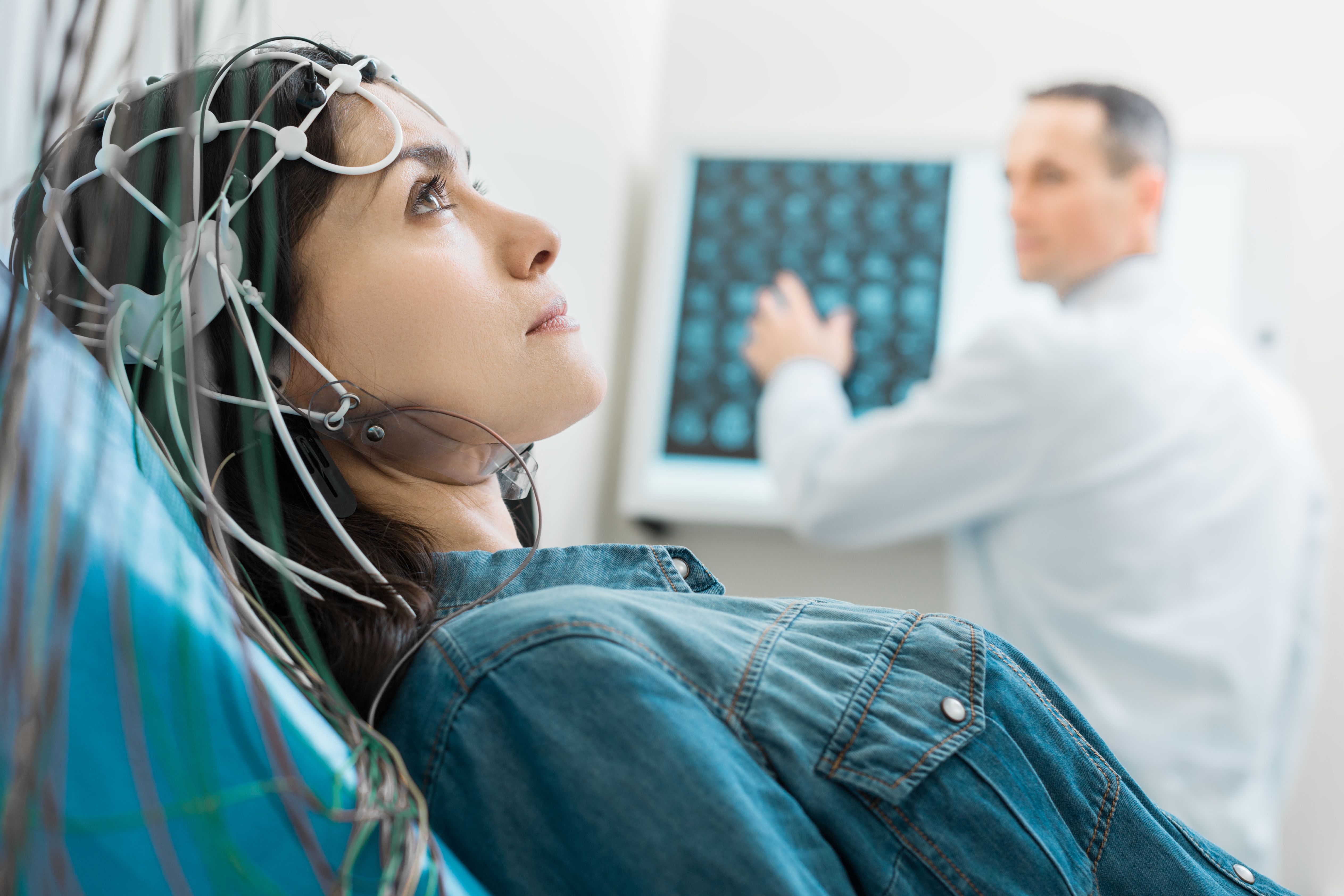
EEG operates by placing small electrodes on the scalp to detect electrical signals produced by the brain. These signals are the result of neuronal activity, and analyzing them can reveal a wealth of information about mental states and neurological conditions. The procedure is non-invasive, making it a widely used method in both clinical and research settings.
EEG Equipment
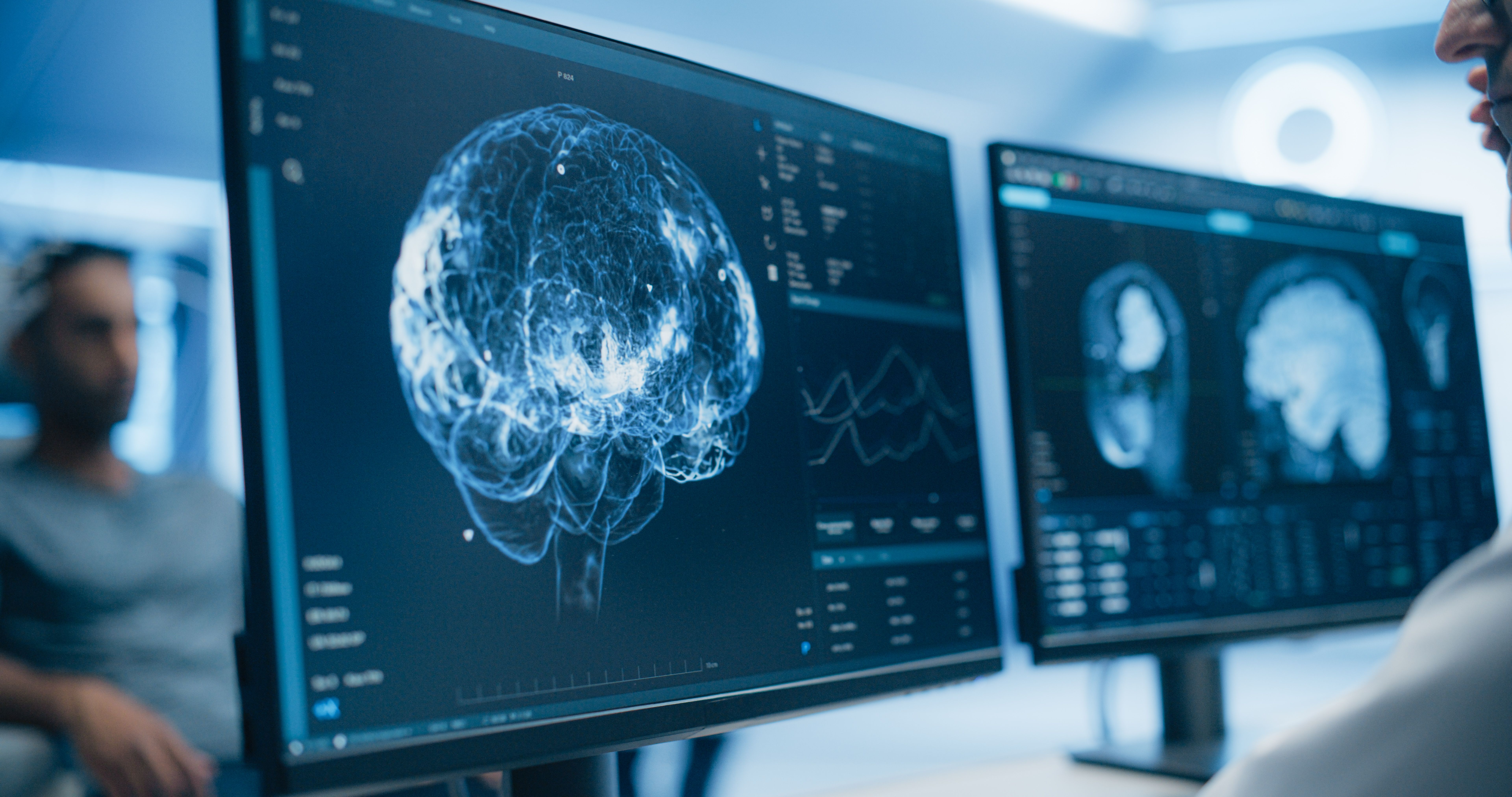
An EEG setup typically includes electrodes, amplifiers, and recording devices. The electrodes pick up the electrical signals, which are then amplified and recorded for further analysis. Modern EEG systems often integrate with computers to provide real-time data visualization, aiding in the diagnosis and study of various conditions.
Applications of EEG
EEG has a broad range of applications, from clinical diagnostics to cognitive research. It's particularly useful in diagnosing epilepsy, sleep disorders, and brain injuries. Researchers also employ EEG to study cognitive processes, such as attention, perception, and memory.
Clinical Usage
In a clinical setting, EEG helps monitor brain activity for signs of abnormal functioning. It is a crucial tool in diagnosing epilepsy, as it can detect irregular brain waves that signify seizures. Additionally, EEG is used to assess brain activity in patients with head injuries and to monitor the depth of anesthesia during surgery.
Research and Cognitive Science
EEG plays a significant role in cognitive science research. By examining brain wave patterns, scientists can explore how we process information, make decisions, and experience emotions. This research can lead to breakthroughs in understanding mental health and developing new therapeutic approaches.
Advantages and Limitations
EEG offers several advantages, including its non-invasive nature, ease of use, and ability to provide real-time data. However, it also has limitations, such as lower spatial resolution compared to other imaging techniques like MRI. Despite these limitations, EEG remains a vital tool in brain research.
Future of EEG
The future of EEG is promising, with advancements in technology leading to more sophisticated and accessible systems. Innovations such as portable EEG devices and improved data analysis techniques are expanding the possibilities for research and clinical applications. As technology evolves, EEG will continue to enhance our understanding of the brain.
Whether you're a healthcare professional, researcher, or curious learner, EEG offers a window into the complex world of brain activity. By understanding its principles and applications, you can appreciate the crucial role EEG plays in advancing brain health and science.