Top 5 Myths About EEG Tests Debunked by Experts
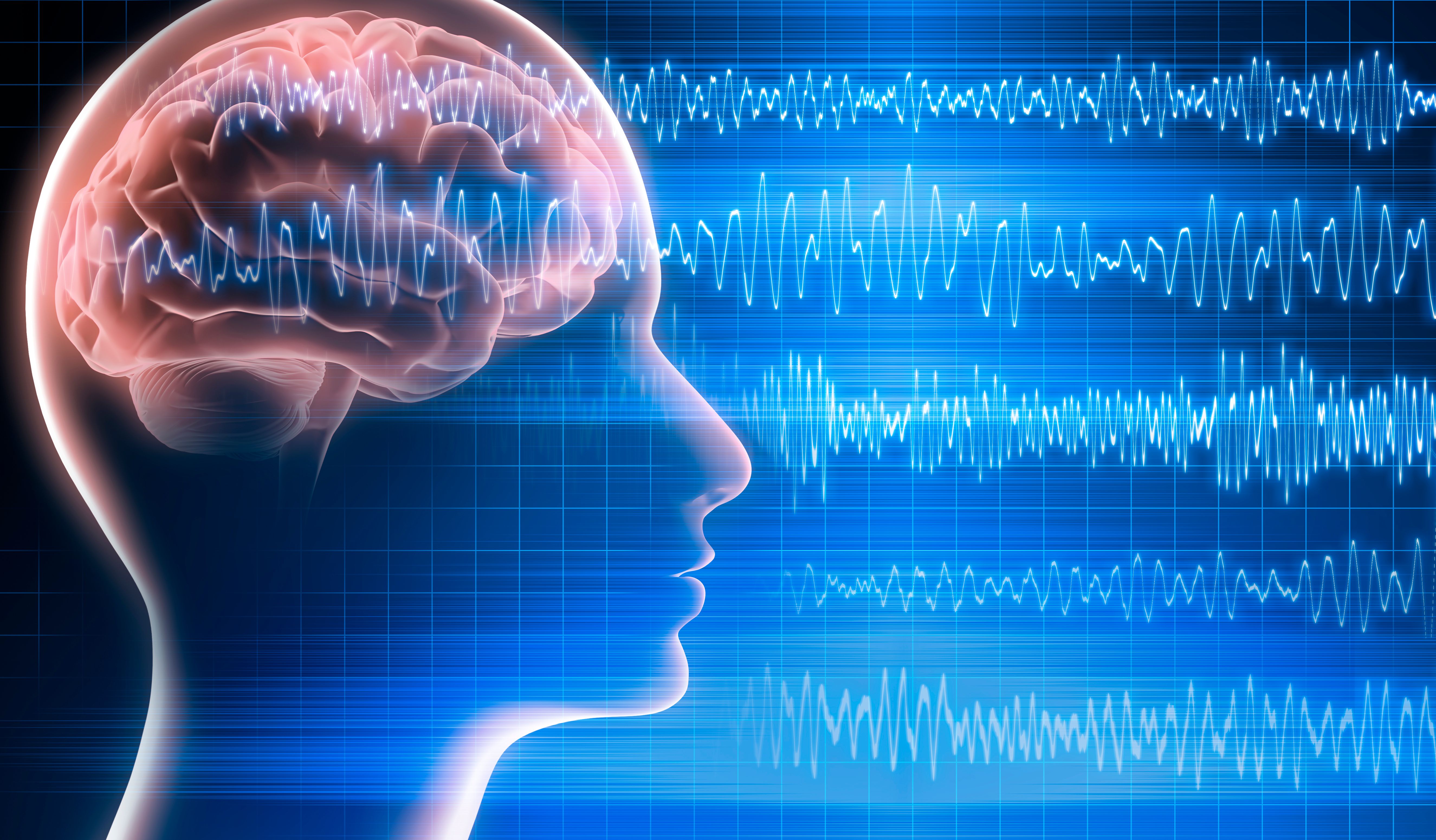
Electroencephalography (EEG) is a valuable tool in the medical field, providing insights into brain activity. However, several myths and misconceptions often cloud its understanding. In this post, we'll debunk the top five myths about EEG tests, shedding light on the facts with expert insights.
Myth 1: EEGs Are Only for Detecting Epilepsy
While EEGs are commonly used to diagnose epilepsy, their applications extend far beyond this condition. EEGs can help diagnose sleep disorders, monitor brain activity in coma patients, and even assist in understanding mental health disorders. The versatility of EEG technology makes it a critical tool in various medical fields.
Myth 2: EEGs Are Painful and Invasive
A common misconception is that EEGs are painful or invasive. In reality, EEGs are non-invasive and entirely painless. The procedure involves placing electrodes on the scalp to measure brain activity. These electrodes do not penetrate the skin, ensuring a comfortable experience for the patient.
The process is similar to wearing a cap, and most patients find it simple and stress-free. This myth likely arises from confusion with other more invasive medical procedures.
Myth 3: EEG Results Are Always Conclusive
Another myth is that EEG results provide definitive answers for all neurological conditions. While EEGs are powerful diagnostic tools, they are not infallible. They offer valuable data that can guide diagnosis and treatment, but they are often used alongside other tests and clinical evaluations for a comprehensive understanding.
Myth 4: EEGs Can Read Thoughts
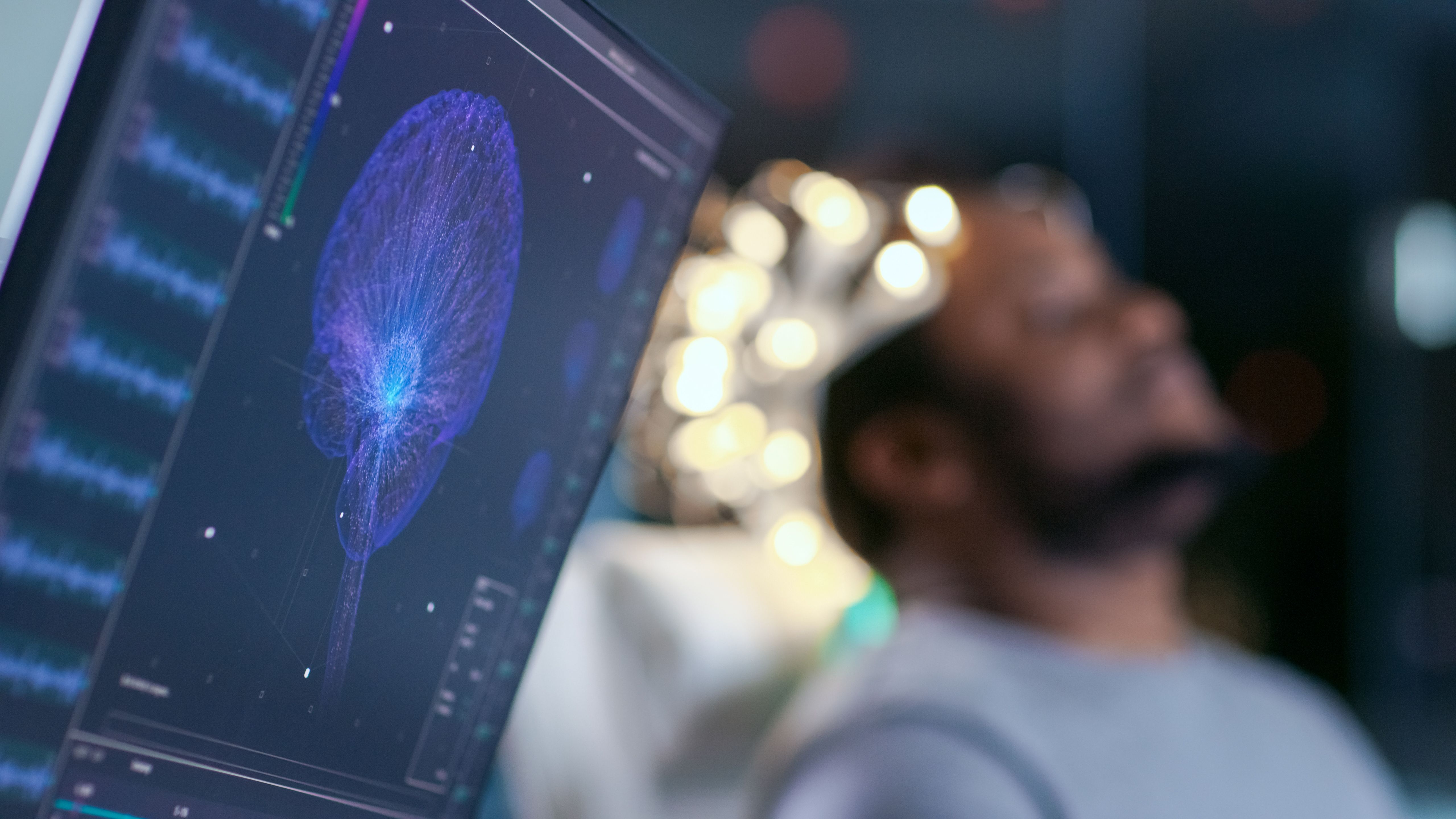
Some believe that EEGs have the capability to read a person's thoughts. This is a significant exaggeration of the technology's capabilities. EEGs can measure electrical activity in the brain, providing insights into patterns and brain function, but they cannot decode specific thoughts or intentions.
This myth may stem from misunderstandings about the technology's purpose and capabilities, which are primarily focused on medical and research applications.
Myth 5: EEGs Are Obsolete Technology
Contrary to the belief that EEGs are outdated, they remain a vital component of modern neuroscience and medicine. Advances in technology have enhanced EEG capabilities, making them more accurate and informative than ever before. EEGs continue to evolve, contributing valuable data to both clinical and research settings.

Understanding the truth about EEG tests is essential for appreciating their role in healthcare. By debunking these myths, we hope to provide clearer insights into this important diagnostic tool. EEGs continue to be a cornerstone in medical diagnostics, offering a window into the intricate workings of the human brain.