The Role of EEG in Neurological Diagnostics: Expert Insights
Understanding EEG
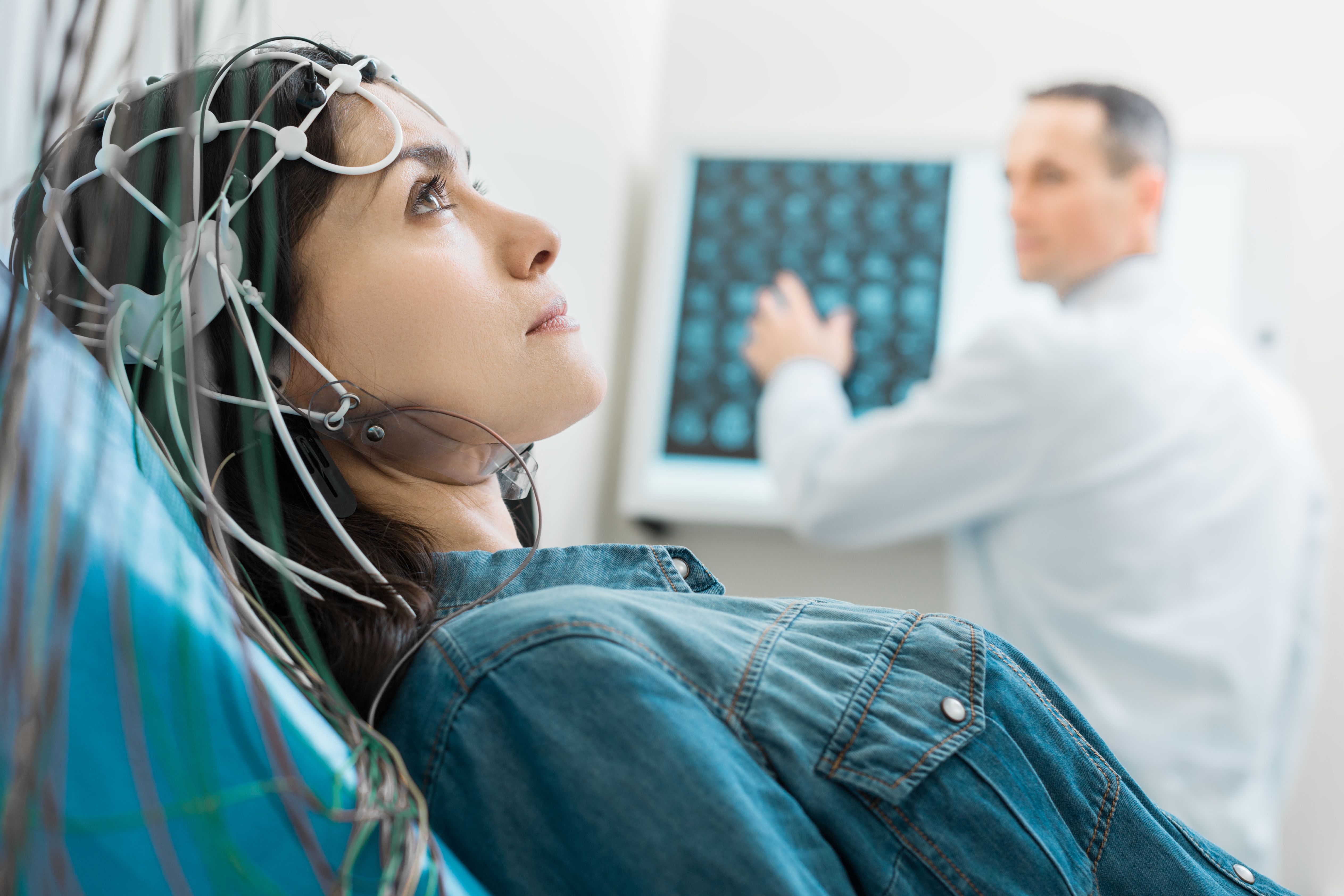
The electroencephalogram, or EEG, is a non-invasive test that records electrical activity in the brain. This diagnostic tool is crucial for neurologists as it provides insights into the brain's function. By placing electrodes on the scalp, EEG captures the electrical impulses generated by neurons, which are then displayed as waves on a screen.
EEG is particularly valuable for diagnosing conditions related to abnormal brain activity. These conditions include epilepsy, sleep disorders, and brain tumors. The ability to monitor the brain's electrical patterns makes EEG an essential component of neurological diagnostics.
How EEG Works
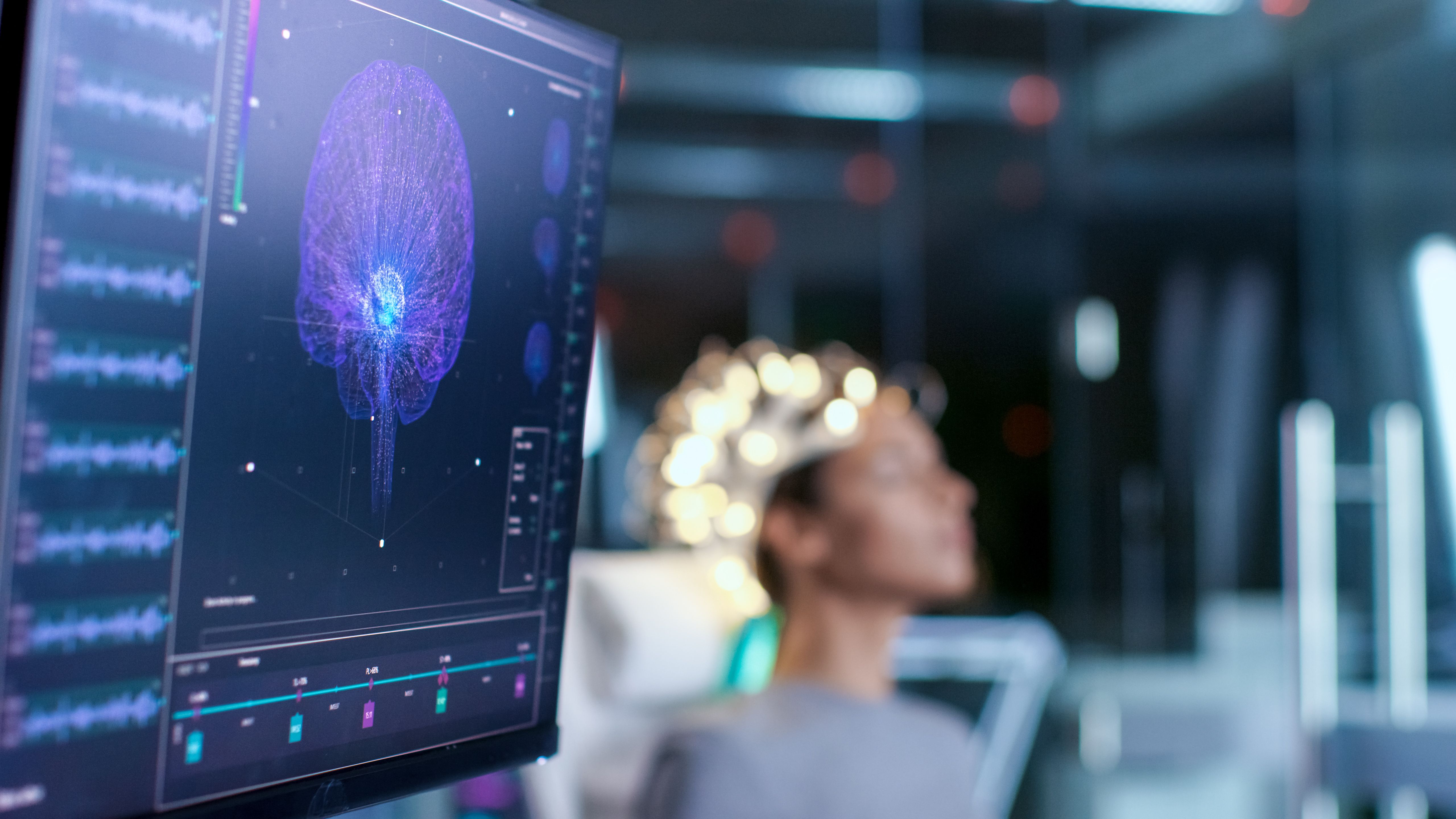
The process of conducting an EEG is straightforward yet sophisticated. Electrodes are strategically placed on the scalp, connected to an amplifier and a recording device. These electrodes pick up the brain's electrical signals, which are then translated into waveforms.
These waveforms are categorized into different types based on frequency: delta, theta, alpha, and beta waves. Each type of wave provides specific information about brain activity. For instance, alpha waves are indicative of a relaxed state, while beta waves are associated with active thinking and focus.

Applications in Neurology
EEG plays a pivotal role in diagnosing various neurological conditions. One of its primary uses is in the diagnosis and management of epilepsy. By detecting abnormal spikes or wave patterns, EEG helps identify seizure activity and its origin in the brain.
Besides epilepsy, EEG is also used to assess sleep disorders, such as insomnia and sleep apnea. It helps in understanding sleep patterns and diagnosing issues related to disrupted sleep cycles.
Benefits of EEG
The advantages of EEG in neurological diagnostics are manifold. First and foremost, it is a non-invasive procedure, posing minimal risk to patients. This makes it a preferred choice for continuous monitoring, especially in sensitive cases.
EEG is also highly sensitive to changes in brain activity, allowing for precise diagnosis. Its ability to provide immediate results aids in the quick assessment of conditions, which is crucial in emergency situations.
Challenges and Limitations
Despite its numerous benefits, EEG does have limitations. One of the challenges is its sensitivity to movement, which can introduce artifacts and affect the accuracy of results. Additionally, while EEG provides excellent temporal resolution, its spatial resolution is limited compared to imaging techniques like MRI.
Another limitation is the interpretation of results. Analyzing EEG data requires expertise, as various factors can influence the waveforms, including medications and external stimuli.
The Future of EEG
Advancements in technology continue to enhance the capabilities of EEG. Innovations such as portable EEG devices and improved electrode designs are making the process more accessible and efficient. These developments hold promise for wider applications in both clinical and research settings.
Furthermore, integrating EEG data with other diagnostic tools like MRI and CT scans can provide a more comprehensive view of brain health. This multidisciplinary approach is paving the way for better diagnosis and treatment of neurological disorders.
In conclusion, EEG remains an indispensable tool in the realm of neurological diagnostics. Its ability to provide real-time insights into brain activity is invaluable for diagnosing and managing various conditions. As technology advances, the role of EEG is set to expand, offering even more possibilities in understanding the complexities of the human brain.