Myth-Busting: Common Misconceptions About EEG Monitoring Services
Understanding EEG Monitoring
EEG monitoring, or electroencephalography, is a valuable tool in diagnosing and understanding neurological conditions. However, there are several myths and misconceptions surrounding this technology that can lead to misunderstanding and misuse. In this blog post, we aim to clear up some of the most common myths about EEG monitoring services.
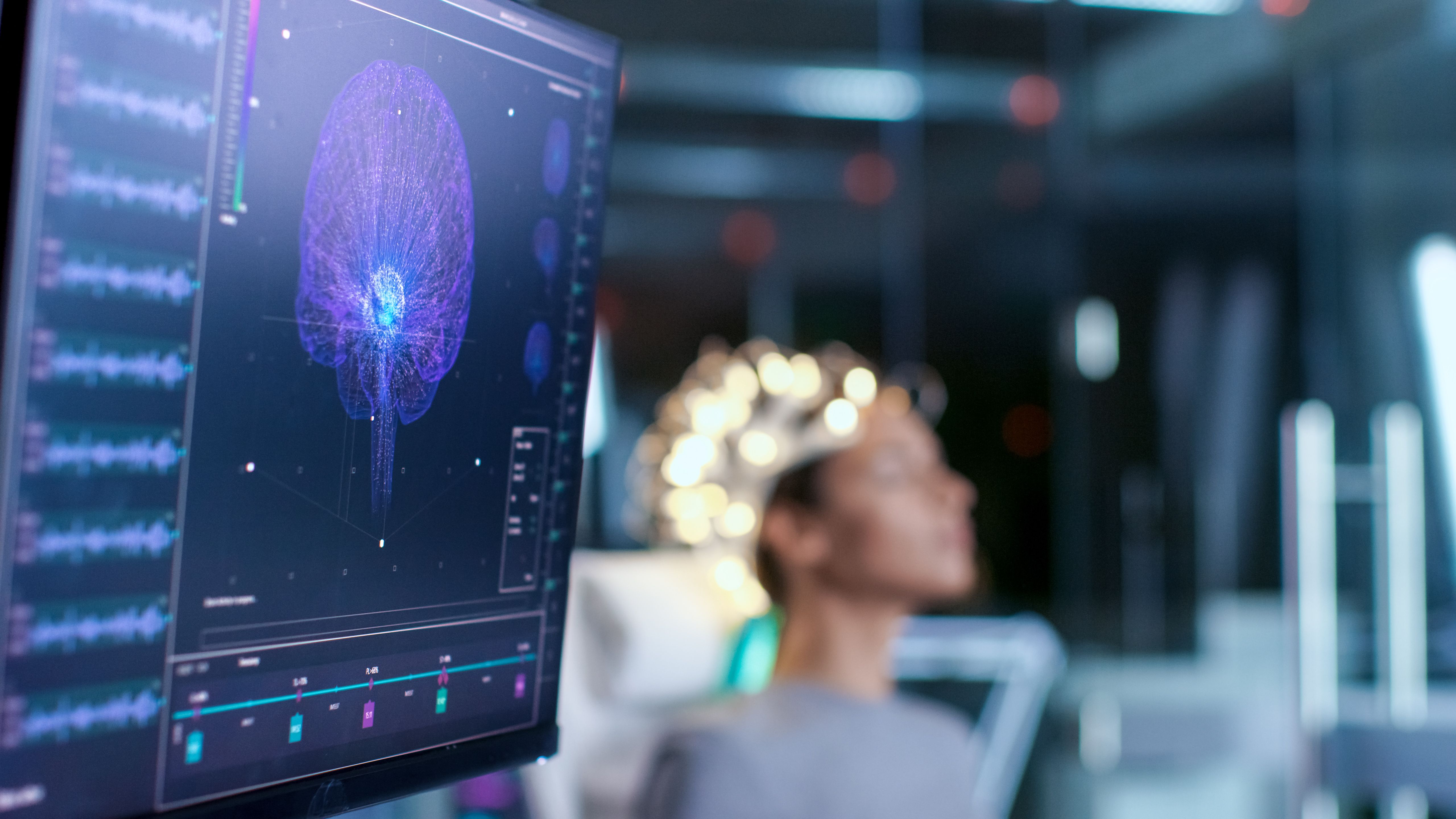
EEG monitoring involves placing sensors on the scalp to measure electrical activity in the brain. This non-invasive procedure is crucial for diagnosing conditions like epilepsy, sleep disorders, and other neurological issues.
Myth 1: EEG Monitoring is Painful
One of the most common misconceptions is that EEG monitoring is a painful procedure. This is simply not true. The sensors used in EEG are placed on the scalp and are completely non-invasive. Patients may feel a slight cooling sensation from the gel used to enhance contact, but the process itself is painless.
The procedure typically lasts between 20 to 40 minutes, depending on the complexity of the case. Technicians ensure patient comfort throughout, making it a stress-free experience.

Myth 2: EEGs Can Read Minds
Another myth is that EEG monitoring can read a person's thoughts. While EEGs are powerful tools for measuring brain activity, they cannot decode specific thoughts or intentions. EEGs assess electrical patterns related to neural activity but do not interpret these patterns as conscious thoughts.
This misunderstanding often arises from fictional portrayals in media. In reality, EEGs are used for medical purposes, not mind-reading.
Myth 3: EEGs Are Only for Epilepsy
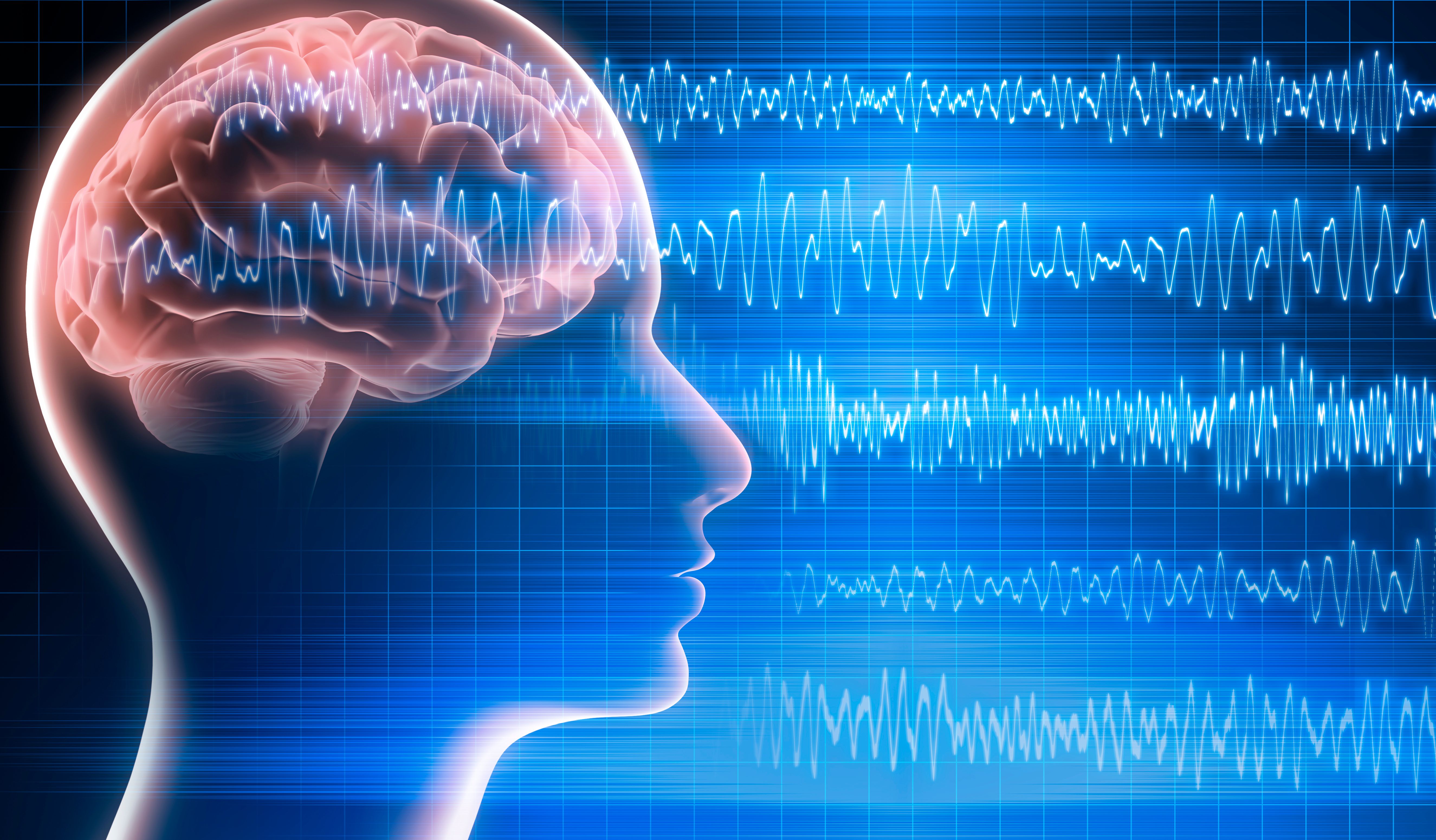
Many people believe that EEGs are only used for diagnosing epilepsy. While they are essential in identifying and managing epilepsy, EEGs are also used to diagnose a variety of other conditions. These include:
- Sleep disorders
- Brain infections
- Head injuries
- Degenerative diseases
This versatility makes EEGs a critical tool in neurology.
Myth 4: EEGs Provide Instant Diagnosis
Some expect instant results from EEG monitoring, but the reality is more complex. EEGs provide important data, but interpreting this data requires expertise. Neurologists analyze the results in the context of the patient's medical history and symptoms.
This process ensures accurate diagnosis and effective treatment planning, but it may take time to reach conclusions.

Conclusion: The Reality of EEG Monitoring
EEG monitoring services are an essential part of modern medicine, offering insights into brain function and aiding in the diagnosis of various conditions. By dispelling these myths, we hope to provide a clearer understanding of how EEGs work and their true capabilities.
If you or a loved one is undergoing EEG monitoring, rest assured that it is a safe and effective procedure. Always consult with a qualified healthcare provider for any concerns or questions about EEG services.