Innovations in EEG Technology: What’s New in Neurodiagnostics
Introduction to EEG Innovations
Electroencephalography (EEG) has been a cornerstone of neurodiagnostics for decades. Recent innovations in EEG technology are revolutionizing the way we understand and diagnose neurological conditions. These advancements promise to make EEGs more accessible, efficient, and insightful.
Portable EEG Devices
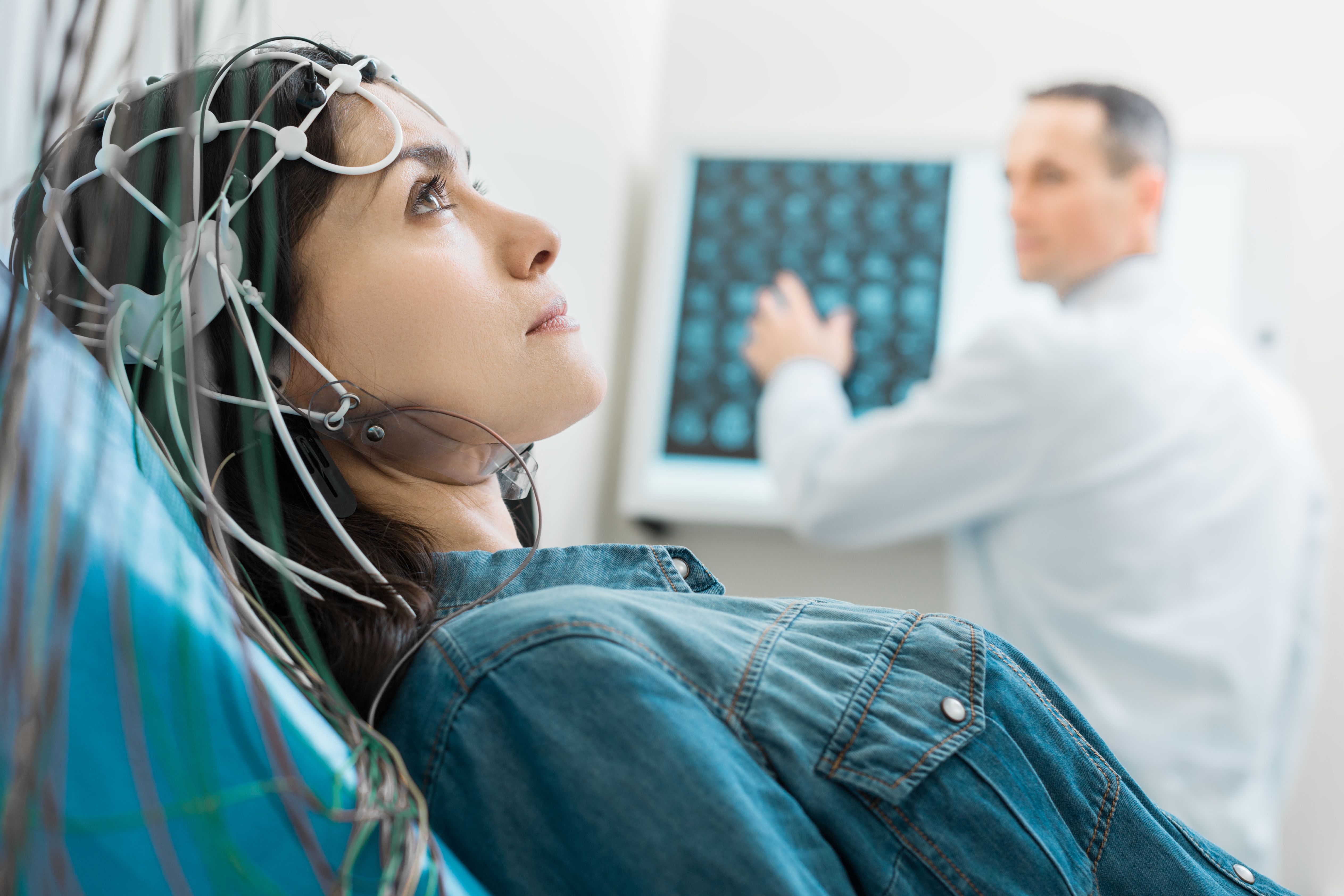
One of the most significant developments in EEG technology is the advent of portable EEG devices. These wearable devices allow for continuous monitoring in real-world environments, providing more accurate and comprehensive data. By eliminating the need for patients to be in a clinical setting, portable EEGs enhance patient comfort and compliance.
Portable EEGs are particularly beneficial for long-term monitoring, making it easier to capture sporadic events such as seizures. This innovation is a game-changer for diagnosing and managing epilepsy and other neurological disorders.
Wireless Technology
Modern portable EEG devices often incorporate wireless technology, enabling seamless data transmission to healthcare providers. This ensures timely analysis and intervention, which can be critical in acute situations.
Advanced Signal Processing
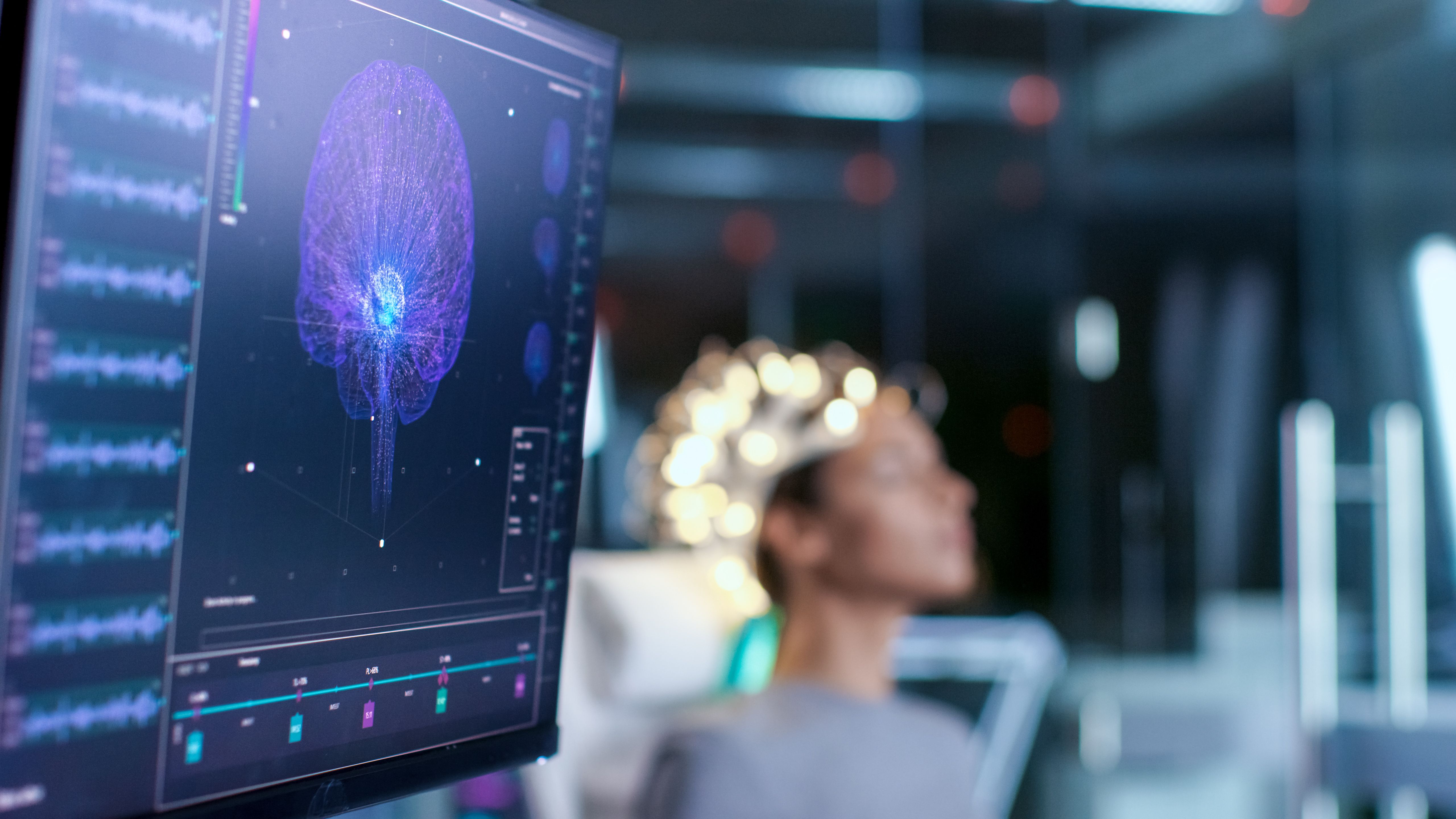
Another exciting advancement in EEG technology is the improvement in signal processing. Enhanced algorithms now enable more precise identification of brain wave patterns, which can lead to better diagnostic accuracy. These algorithms can filter out noise more effectively, highlighting the essential signals that matter most.
This innovation is particularly useful in differentiating between various neurological conditions, such as distinguishing between focal and generalized seizures.
Machine Learning Integration
Machine learning is playing a pivotal role in advancing EEG technology. By training algorithms to recognize complex patterns, machine learning enhances the predictive capabilities of EEGs, offering new insights into brain health and disease.
Applications Beyond Diagnostics
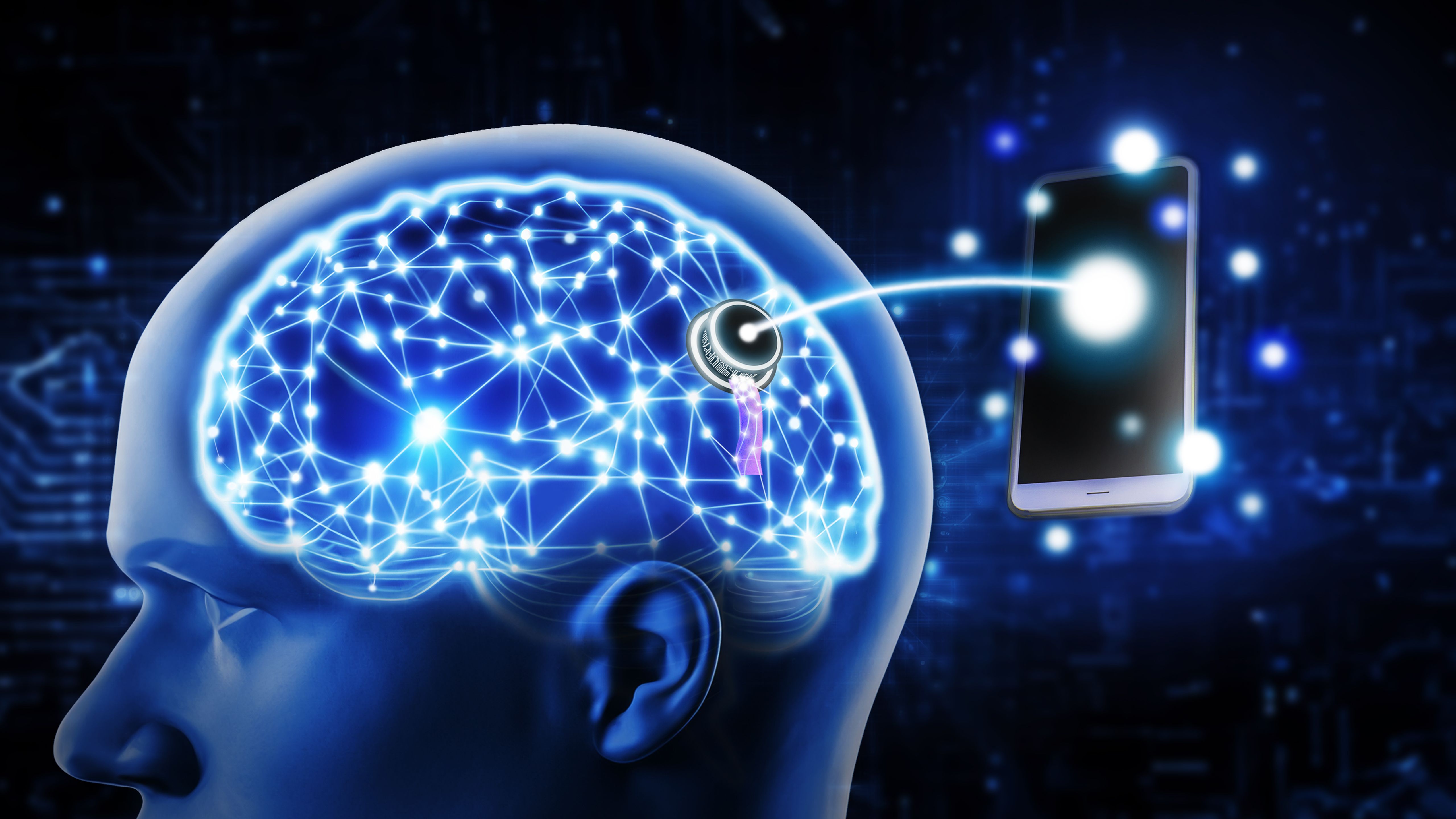
EEG technology is not limited to diagnostics alone. Innovations are expanding its applications into areas such as brain-computer interfaces (BCIs) and neurofeedback therapy. BCIs are particularly promising in assisting individuals with severe motor disabilities by translating brain signals into actionable commands.
Neurofeedback therapy uses real-time EEG data to help patients regulate brain activity, which can be beneficial for conditions like ADHD, anxiety, and depression.
Future Prospects
As EEG technology continues to evolve, we can expect further breakthroughs that will enhance our understanding of the brain. These advancements will likely lead to more personalized and effective treatment plans for patients with neurological disorders, improving their quality of life.