EEG Testing vs. Sleep Studies: Understanding the Differences and Benefits
Understanding EEG Testing
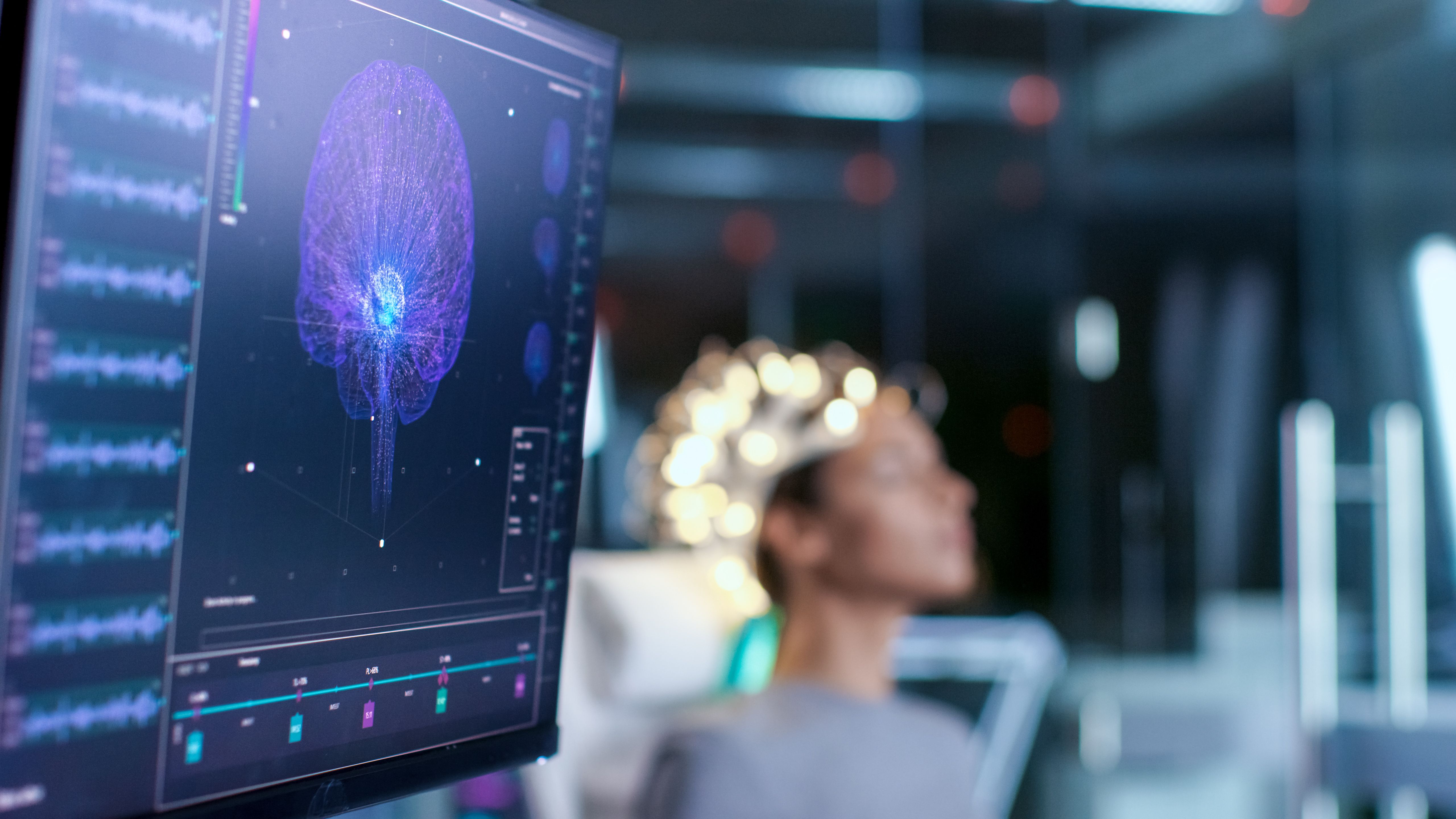
Electroencephalography, or EEG, is a non-invasive test that records electrical activity in the brain. Typically used to diagnose conditions like epilepsy, EEG tests can also identify other brain disorders. By placing electrodes on the scalp, healthcare professionals can monitor brain wave patterns and detect any irregularities.
EEG tests are crucial for patients experiencing seizures, confusion, head injuries, or unexplained chronic headaches. The procedure is safe, painless, and usually takes about an hour, making it an excellent tool for neurological assessments.
Benefits of EEG Testing
EEG tests offer numerous benefits. They are invaluable in diagnosing epilepsy, as they can reveal abnormal brain wave patterns even when seizures are not occurring. Additionally, EEGs help evaluate brain function in various disorders, including sleep disorders, brain tumors, and encephalopathies.
EEG testing is also beneficial in assessing brain activity in patients with coma and determining brain death. The test's ability to provide real-time feedback on electrical brain activity makes it a powerful tool in both clinical and research settings.
Exploring Sleep Studies
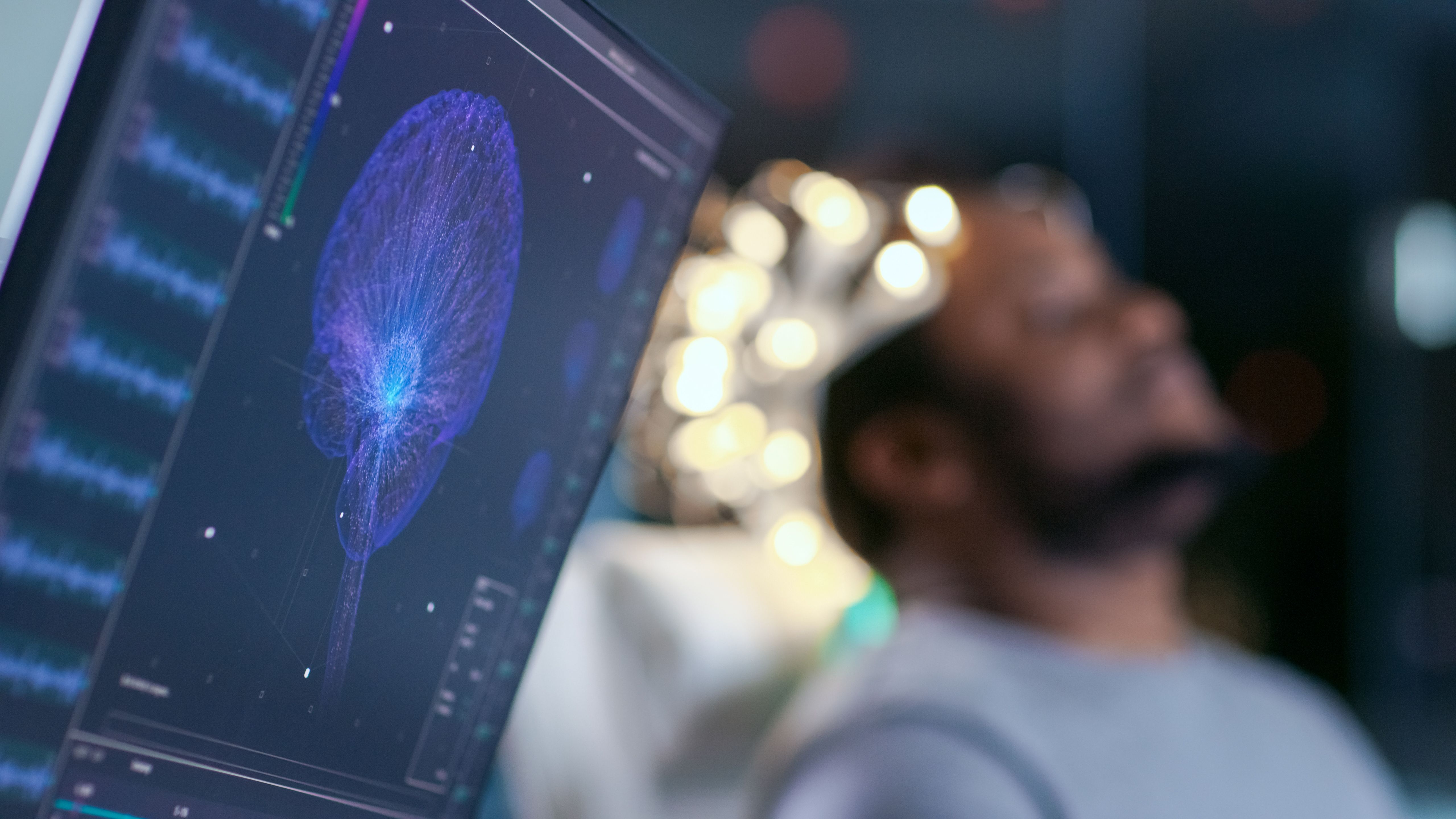
Sleep studies, or polysomnography, are comprehensive tests used to diagnose sleep disorders. Unlike EEGs, sleep studies monitor various body functions during sleep, such as brain activity, eye movement, breathing patterns, and heart rate. This holistic approach provides a detailed picture of a person's sleep health.
These studies are typically conducted in a sleep center or hospital, where patients stay overnight. The information gathered helps diagnose conditions like sleep apnea, insomnia, narcolepsy, and restless leg syndrome.
Advantages of Sleep Studies
Sleep studies are essential for diagnosing and managing sleep-related issues. By analyzing different aspects of sleep, these studies can identify the root cause of sleep disturbances. This comprehensive analysis is particularly beneficial for conditions like sleep apnea, where breathing interruptions need to be identified and addressed.
Moreover, sleep studies can aid in tailoring treatment plans for patients, improving their overall quality of life. Understanding sleep patterns through these tests can also help in managing chronic conditions affected by sleep, such as depression and heart disease.
Comparing EEG Tests and Sleep Studies
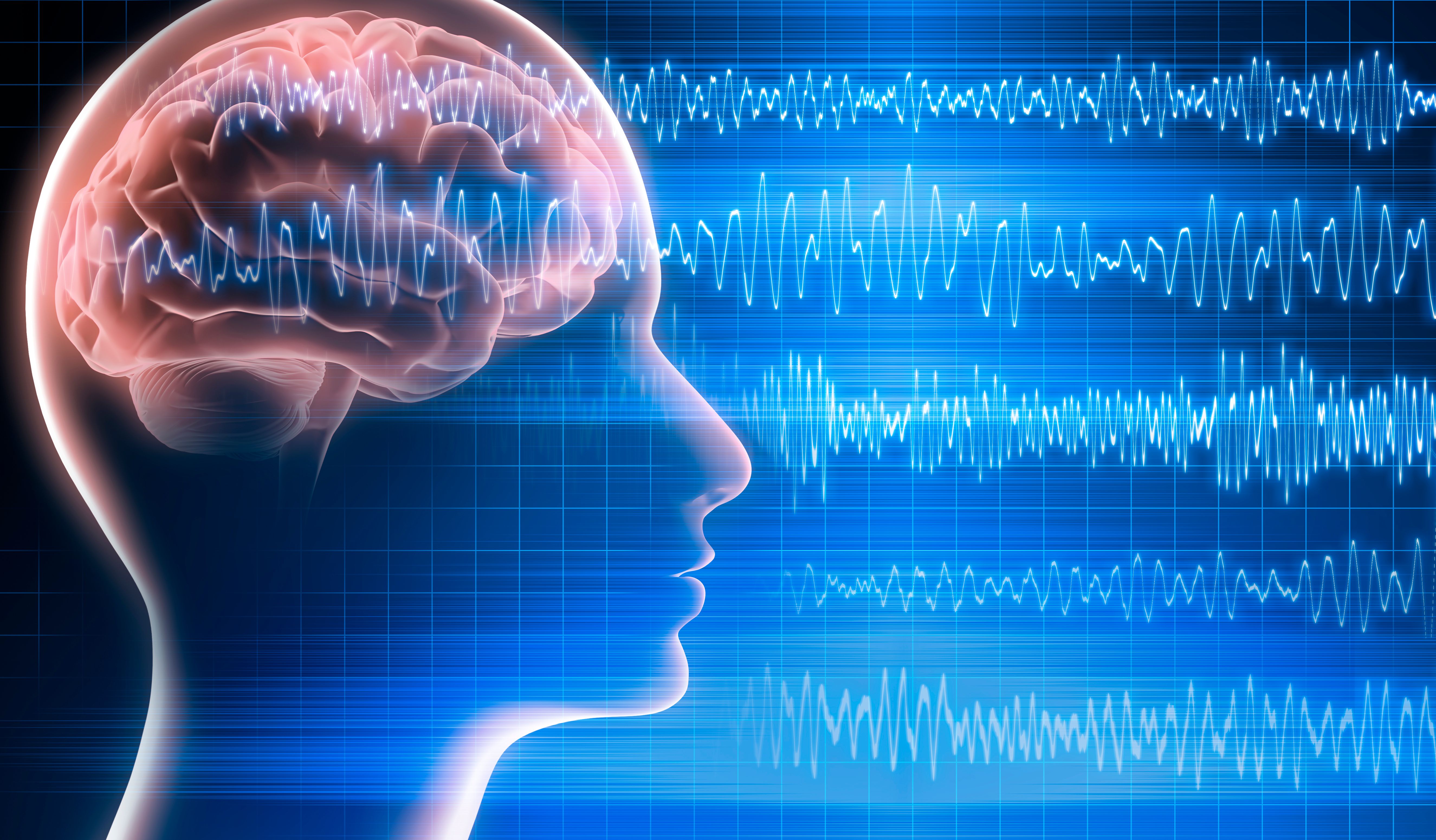
While both EEG tests and sleep studies assess brain activity, their purposes and methodologies differ significantly. EEGs focus on brain wave patterns, primarily for neurological diagnoses. In contrast, sleep studies provide a broader assessment of sleep quality and related disorders.
Choosing between an EEG and a sleep study depends on the symptoms and the suspected condition. For neurological issues, an EEG is more appropriate, while sleep studies are preferable for diagnosing sleep-specific disorders.
Conclusion
Understanding the differences between EEG testing and sleep studies is crucial for accurate diagnosis and treatment. Both tests play significant roles in healthcare, offering insights into brain function and sleep health. By leveraging these tools, healthcare professionals can provide targeted interventions, enhancing patient outcomes.
Whether you're experiencing neurological symptoms or sleep disturbances, consulting with a healthcare provider can help determine the best course of action, ensuring that you receive the most appropriate testing and care.