Debunking Myths: EEG Tests and What They Really Tell Us
Understanding EEG Tests
Electroencephalogram (EEG) tests are a crucial tool in modern medicine, providing invaluable insights into the brain's electrical activity. However, misconceptions about what EEG tests can and cannot do often lead to confusion. In this blog post, we will debunk some common myths surrounding EEG tests and clarify what they truly reveal about brain health.
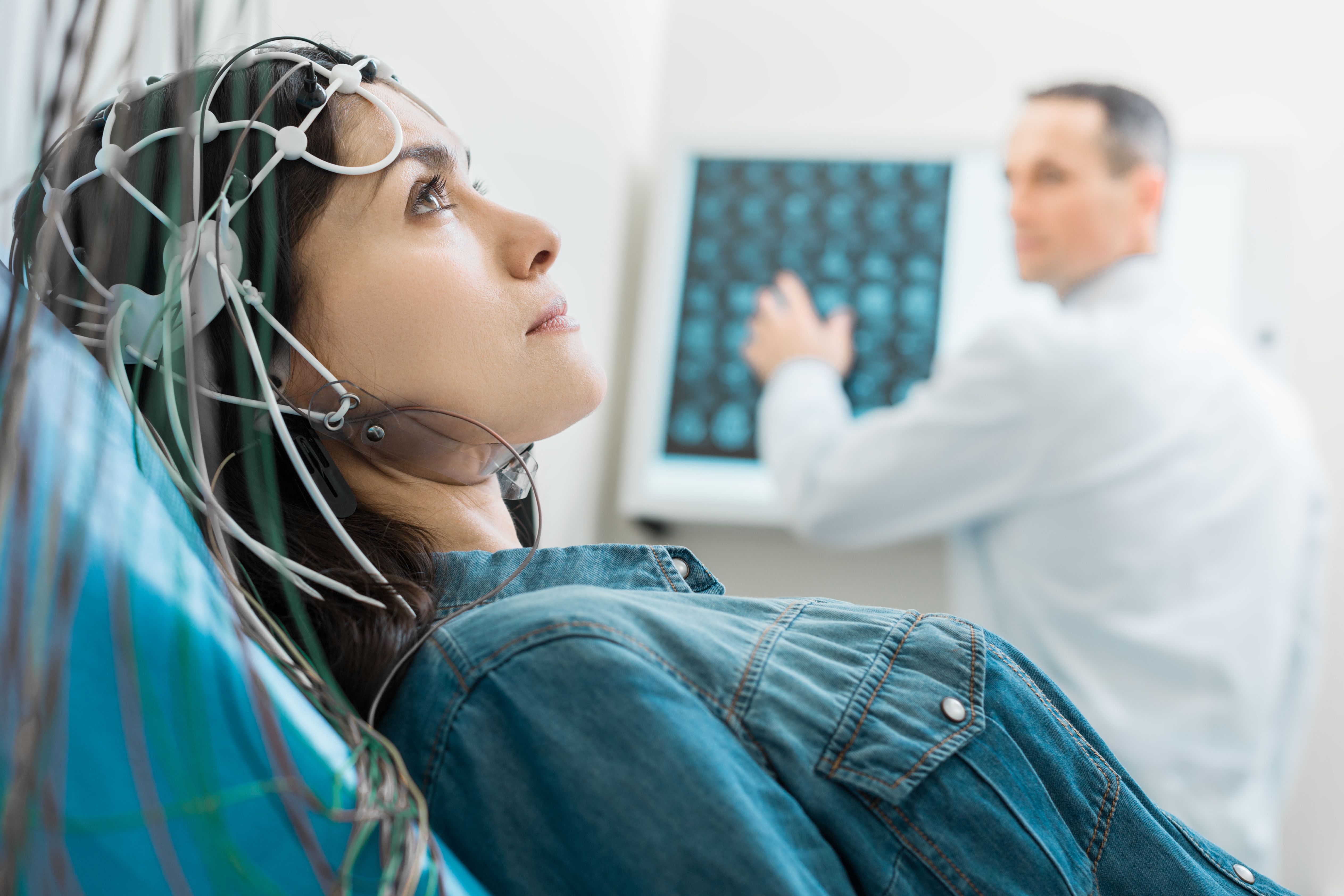
Myth 1: EEG Can Read Your Thoughts
One of the most prevalent myths is that EEG tests can read your thoughts. This is simply not true. An EEG measures electrical impulses produced by brain activity, but it does not interpret thoughts or intentions. The data captured by an EEG is used to identify patterns that may indicate neurological conditions, not to decode personal thoughts.
By detecting abnormalities in brain waves, EEGs can assist in diagnosing conditions such as epilepsy, sleep disorders, and brain injuries. However, these tests are limited to identifying electrical activity and cannot provide insights into cognitive processes or specific thoughts.
Myth 2: EEGs Are Only for Diagnosing Epilepsy
While EEGs are commonly used to diagnose epilepsy, their applications extend far beyond this. EEGs are instrumental in assessing a variety of neurological conditions. For example, they can help evaluate brain function after strokes, head injuries, or unexplained seizures. Additionally, EEGs are sometimes used in sleep studies to investigate sleep disorders like insomnia and sleep apnea.

Moreover, EEGs can be employed in research settings to study brain function and cognitive processes, highlighting their versatility and importance in the medical field.
Myth 3: EEG Tests Are Invasive and Painful
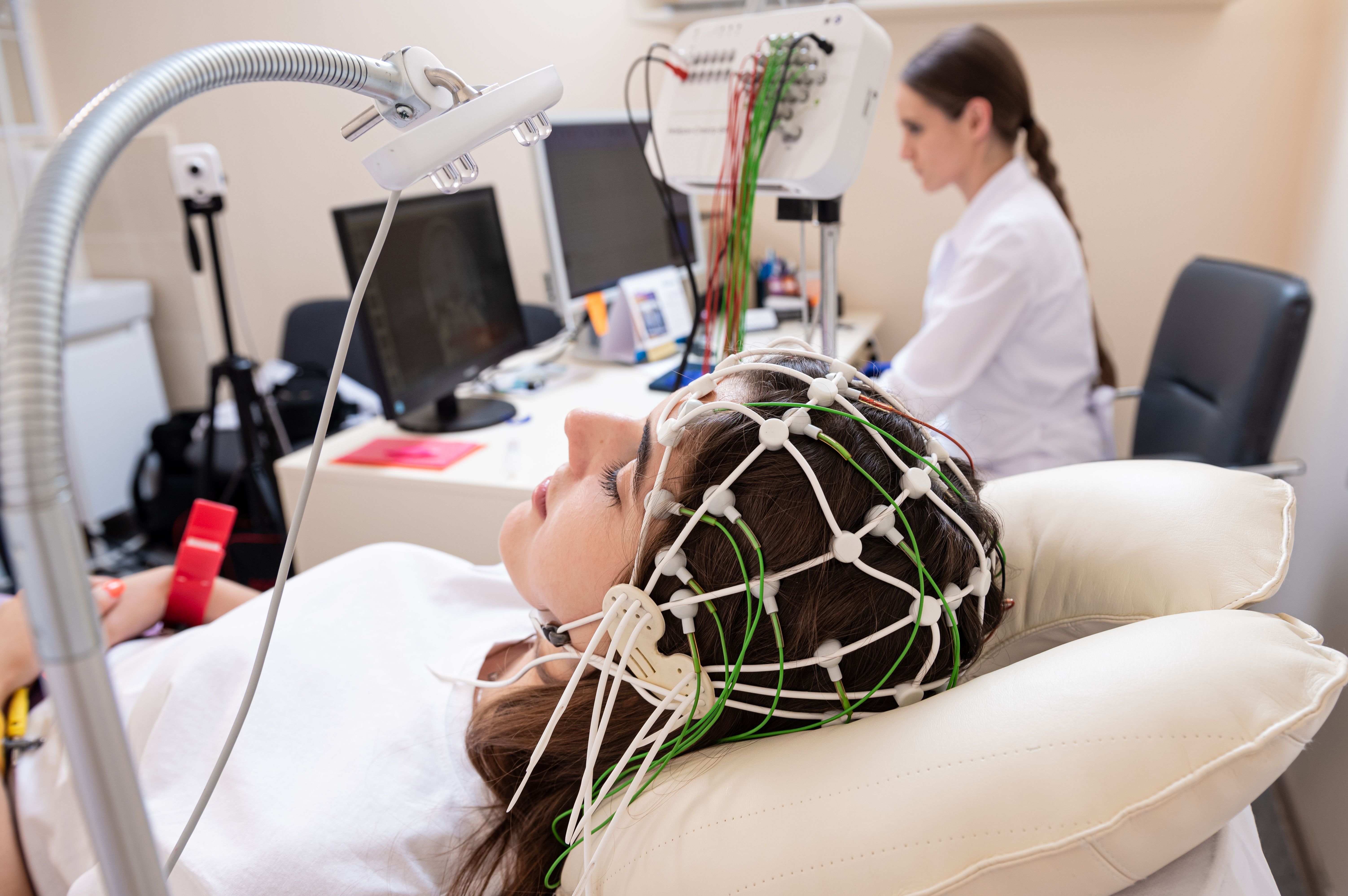
Another common misconception is that EEG tests are invasive and painful. In reality, EEGs are non-invasive and painless. The procedure involves placing small electrodes on the scalp to measure brain activity. These electrodes do not emit any signals; they merely detect the brain's natural electrical impulses.
Most patients find the procedure comfortable, with no significant side effects. The setup is straightforward, and the test itself is usually completed within an hour, depending on the complexity of the case.
What EEGs Really Tell Us
EEG tests provide a snapshot of the brain's electrical activity, offering valuable insights into its functioning. They can detect abnormalities in brain waves that may indicate specific neurological disorders. By identifying these patterns, medical professionals can make informed decisions about diagnosis and treatment plans.
Furthermore, EEGs are often used in conjunction with other diagnostic tools, such as MRI and CT scans, to provide a comprehensive view of brain health. This combination of technologies allows for a more accurate diagnosis and effective treatment strategy.
The Importance of Accurate Information
Understanding the true capabilities of EEG tests is crucial for both patients and healthcare providers. Dispelling myths ensures that individuals can make informed decisions about their health and seek appropriate medical advice when necessary. By relying on accurate information, patients can better understand their conditions and participate actively in their treatment plans.

In conclusion, EEG tests are a vital component of neurological assessment, offering valuable insights into brain function without reading thoughts or causing discomfort. By debunking these common myths, we hope to shed light on the true potential of EEGs and their role in modern medicine.