Debunking Common Myths About EEG Tests
Understanding EEG Tests
Electroencephalograms, commonly known as EEG tests, are vital tools in diagnosing various neurological conditions. Despite their importance, several myths surround these tests, leading to confusion and misinformation. This blog post aims to debunk these myths and provide clarity for those considering or preparing for an EEG test.
Myth 1: EEGs Are Painful
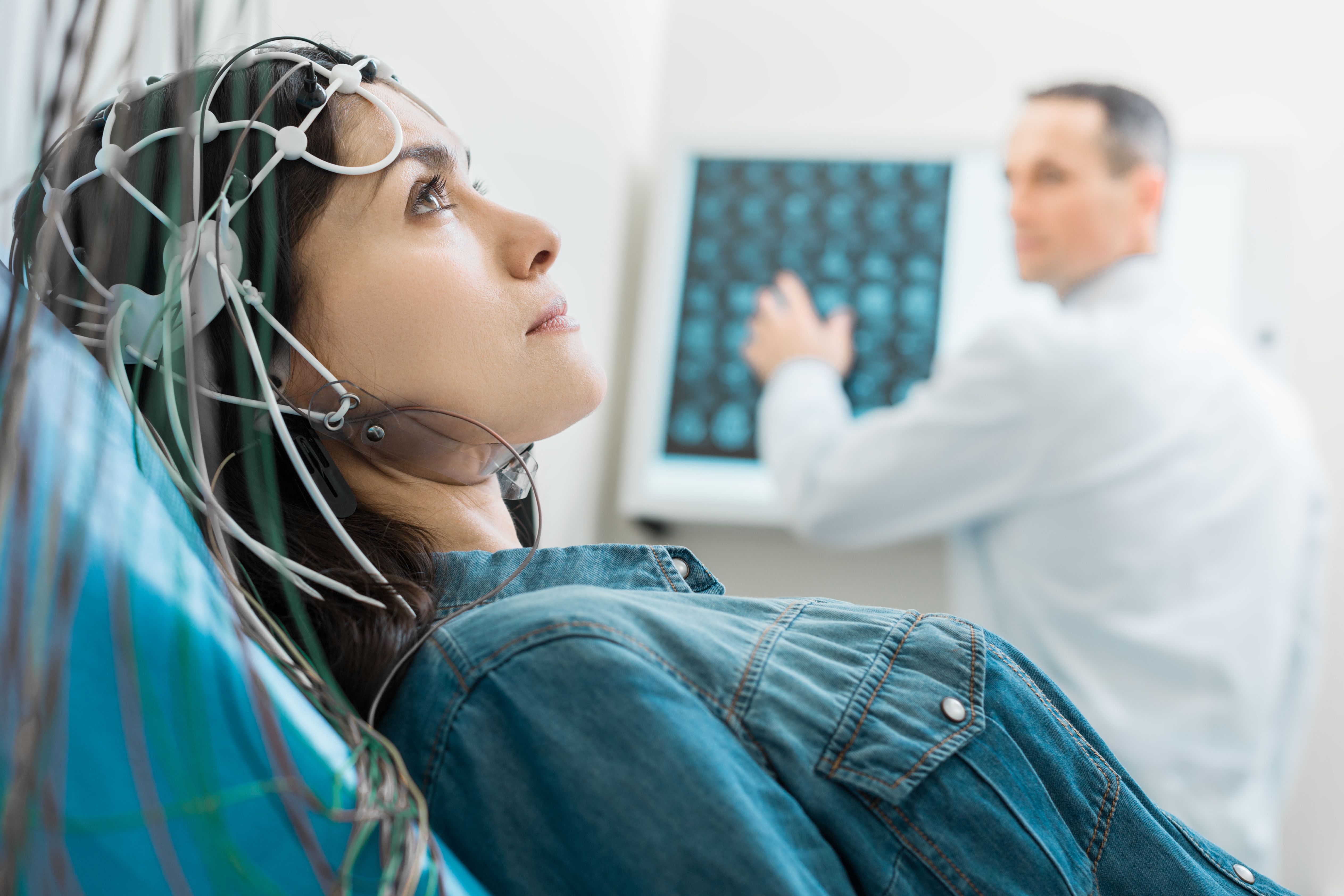
One of the most common myths is that EEG tests are painful. This is entirely false. EEGs are non-invasive and painless. The procedure involves placing electrodes on the scalp to monitor electrical activity in the brain. These electrodes merely detect activity and do not emit any electrical charges, ensuring a comfortable experience for the patient.
Myth 2: EEGs Are Only for Epilepsy
While EEGs are crucial in diagnosing epilepsy, their applications extend far beyond this single condition. EEG tests can help in diagnosing sleep disorders, brain injuries, and other neurological conditions. They provide invaluable insights into brain activity, aiding in the comprehensive evaluation of various disorders.
Preparing for an EEG Test
Another misconception is that preparing for an EEG is a complex and demanding process. In reality, preparation is straightforward. Patients are typically advised to avoid caffeine and ensure that their hair is clean and free of any styling products. These simple steps help ensure accurate readings.
Myth 3: EEGs Can Read Minds
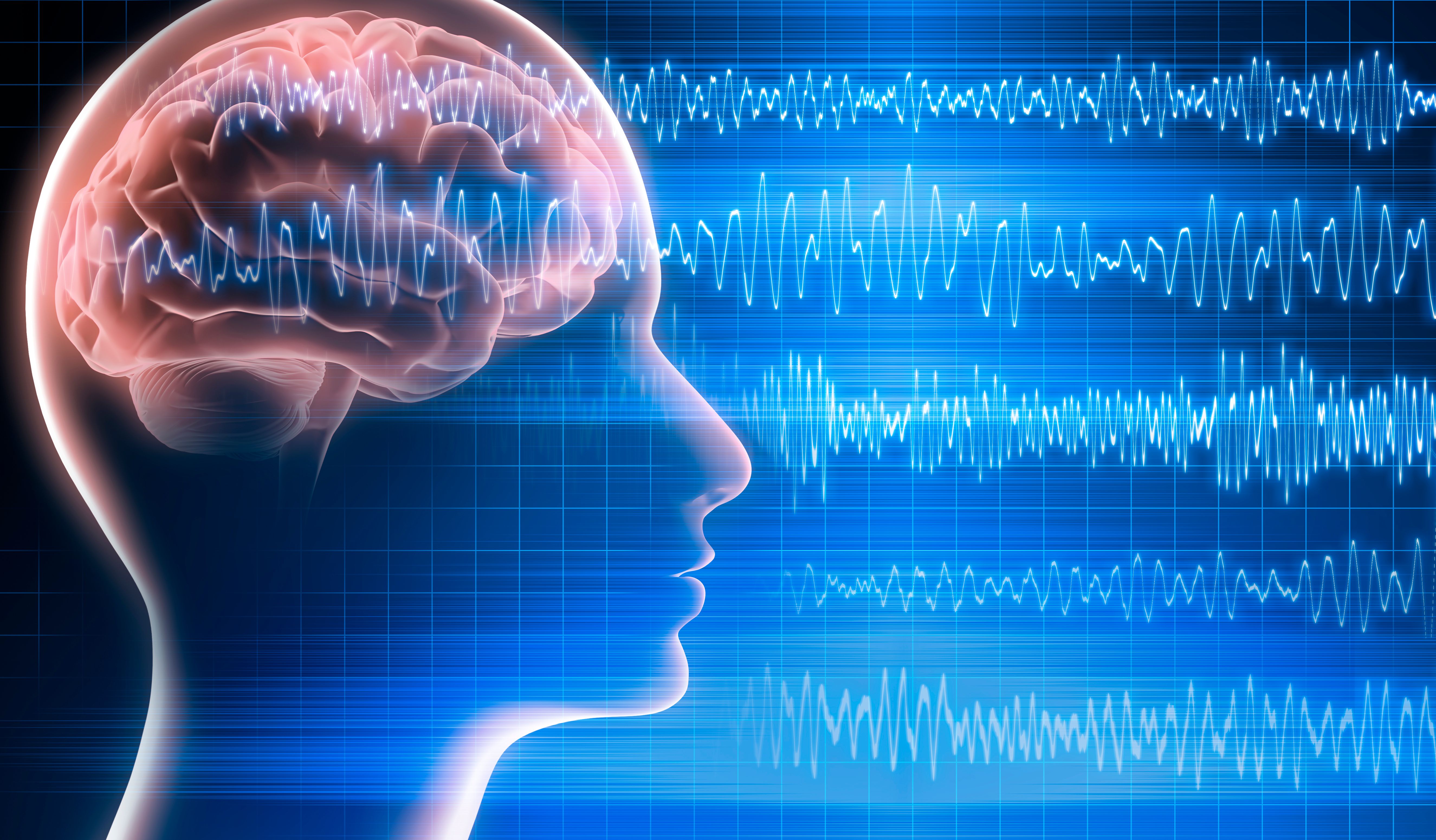
EEG tests are often dramatized in media, leading to the belief that they can read thoughts. This is a myth. EEGs measure electrical activity in the brain and cannot interpret thoughts or feelings. They are scientific tools used to understand brain function, not mind-reading devices.
Myth 4: EEGs Are Unsafe
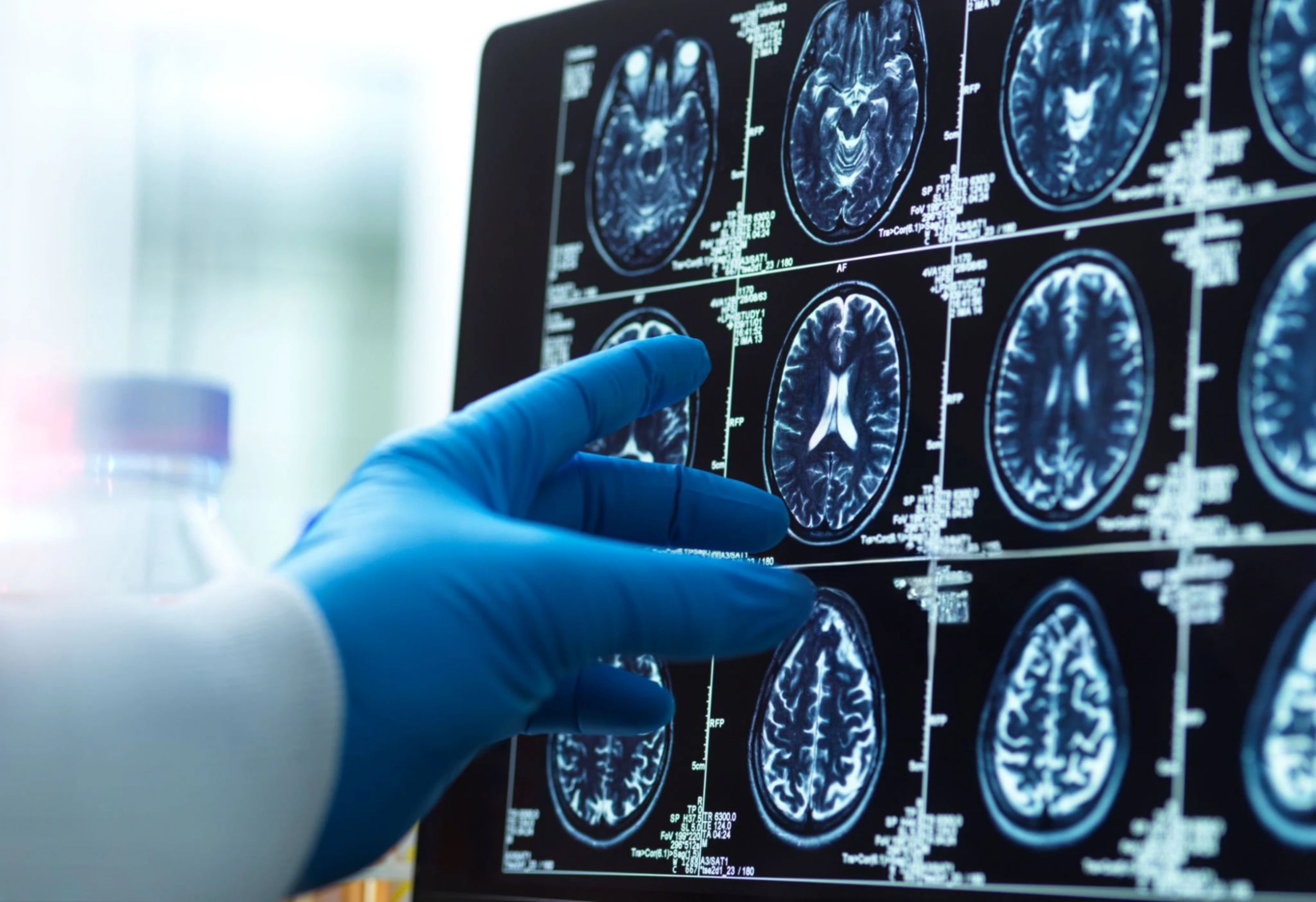
Concerns about safety can deter individuals from undergoing EEG tests. However, EEGs are safe and widely used in medical settings worldwide. The electrodes used in EEGs do not emit any electrical charges and pose no risk to patients, including children and pregnant women.
Conclusion: The Importance of EEG Tests
EEG tests are crucial in the medical field, providing insights into the brain's electrical activity that can guide diagnosis and treatment. Understanding the facts about EEGs helps dispel myths and ensures patients approach these tests with informed confidence.
If you have any concerns or questions about EEG tests, consult with a healthcare professional. They can provide personalized information and advice based on your specific needs and circumstances.