Debunking Common Myths About EEG Tests
Understanding EEG Tests
Electroencephalogram (EEG) tests are a valuable tool in diagnosing and understanding neurological conditions. However, several myths and misconceptions surround them, leading to confusion and unnecessary anxiety. In this blog post, we aim to debunk some of these common myths and provide clear, factual information about EEG tests.
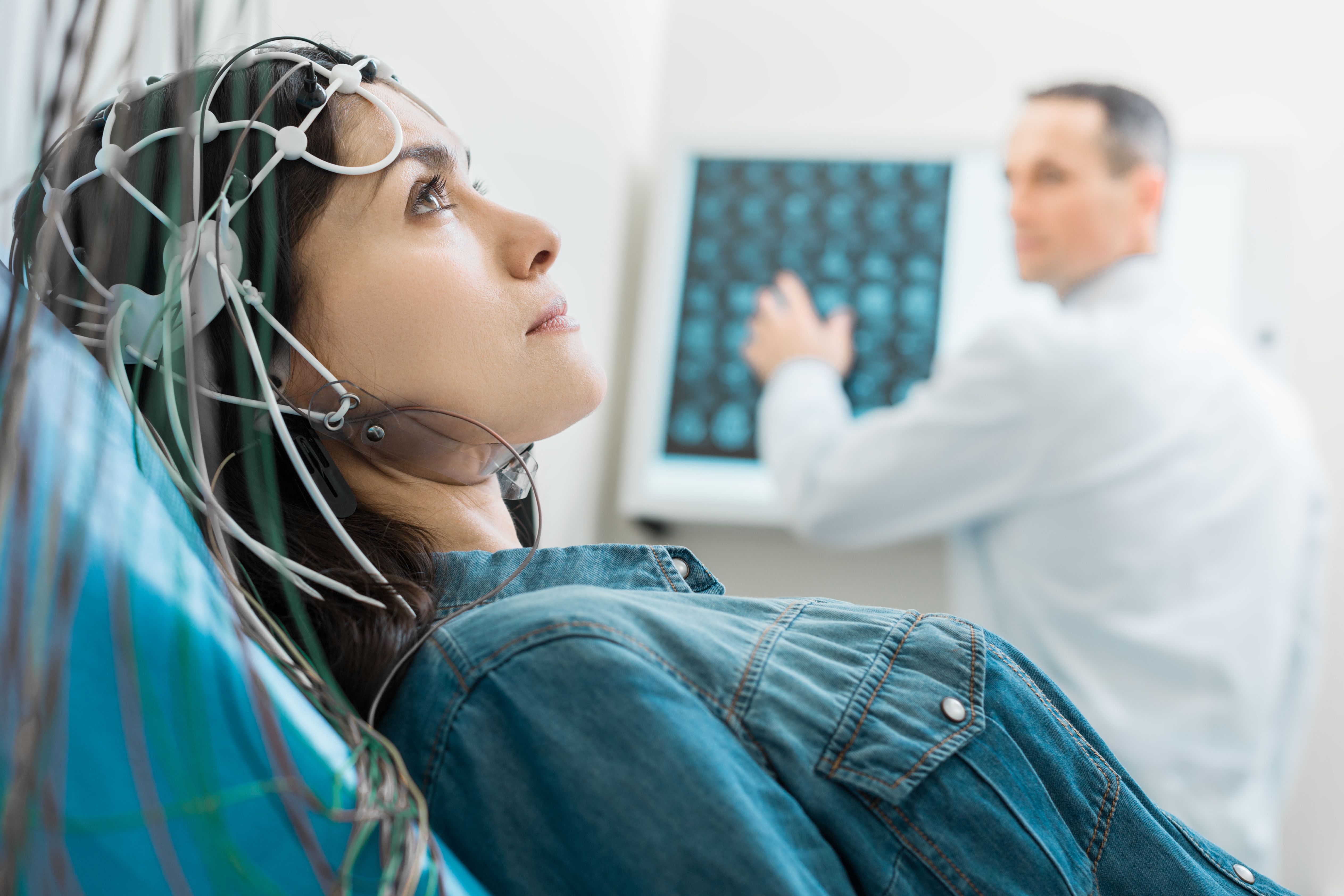
Myth 1: EEG Tests Are Painful
A prevalent myth is that EEG tests are painful. In reality, EEGs are non-invasive and painless. During the procedure, small electrodes are attached to the scalp to record brain activity. These electrodes merely detect electrical signals and do not emit any electricity, ensuring a completely pain-free experience for the patient.
Myth 2: EEGs Are Only for Epilepsy
While EEGs are often associated with epilepsy diagnosis, their applications extend far beyond this single condition. EEG tests can help diagnose a range of neurological disorders, including sleep disorders, brain tumors, and head injuries. They are also used to monitor brain activity in various research settings.
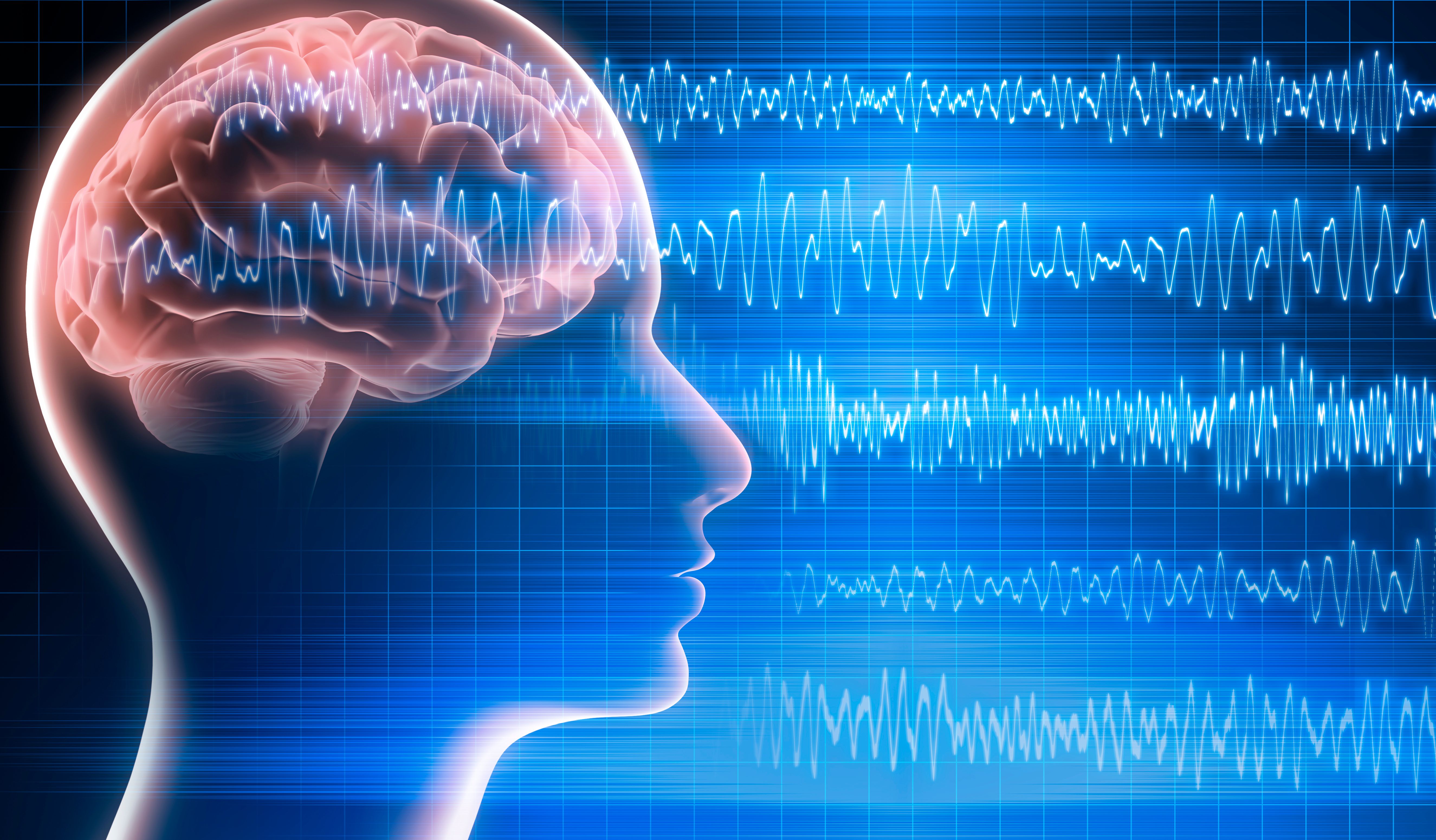
Debunking Misconceptions
Understanding the realities of EEG tests can greatly alleviate any apprehensions. Here are some additional myths that need debunking:
Myth 3: EEGs Can Read Your Thoughts
Another common misconception is that EEGs can read a person’s thoughts. EEG tests are designed to measure electrical activity in the brain, not to interpret cognitive processes or personal thoughts. The data collected is used to assess brain function and identify abnormalities, not to delve into personal mental content.
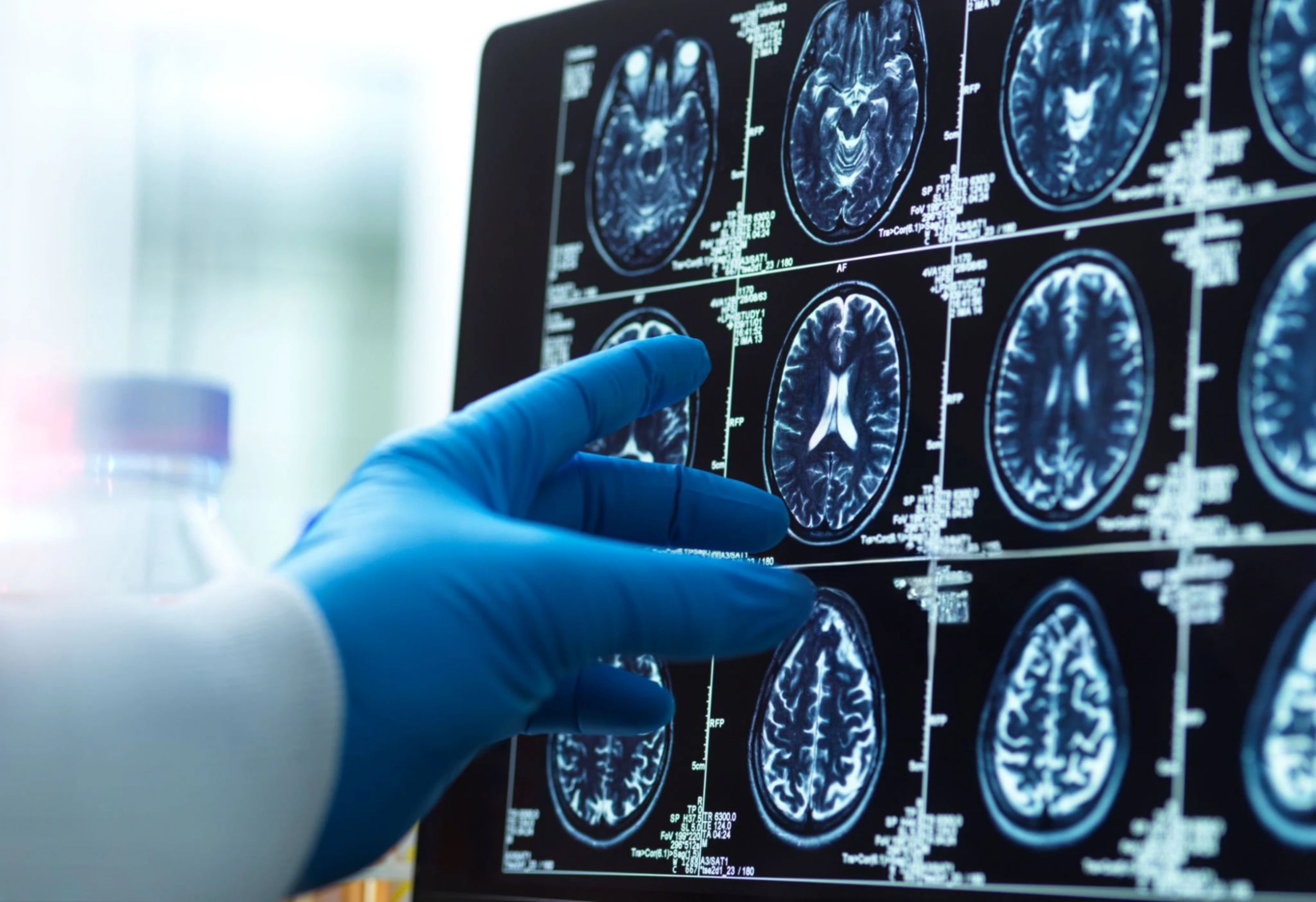
Myth 4: EEGs Are Infallible
While EEGs are a useful diagnostic tool, they are not infallible. Sometimes, the results may be inconclusive or require further testing. It is essential to combine EEG results with other diagnostic tools and clinical evaluations to obtain a comprehensive understanding of a patient’s neurological health.
The Importance of Accurate Information
Accurate information about medical procedures is crucial for patients and their families. Being well-informed can reduce anxiety and lead to better healthcare outcomes. Here are some key points to remember about EEG tests:
- EEGs are safe and painless.
- They serve multiple diagnostic purposes beyond epilepsy.
- EEGs measure brain activity, not thoughts.
- Results should be interpreted by medical professionals.
By debunking these myths, we hope to provide clarity and reassurance to those undergoing or considering EEG testing. Understanding what to expect can empower patients to take an active role in their healthcare journey.