Debunking Common Myths About EEG Testing
Understanding EEG Testing
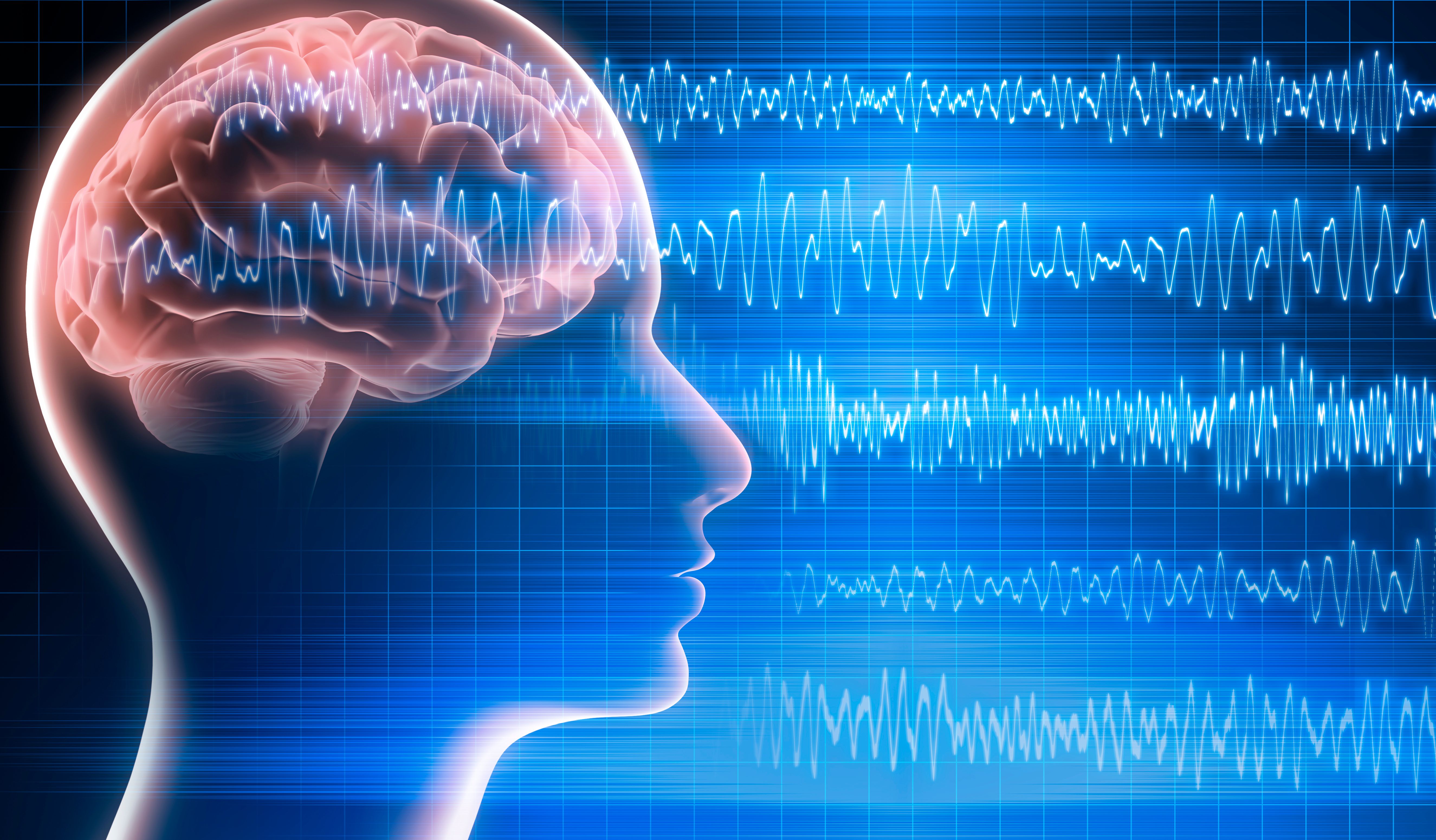
Electroencephalography (EEG) is a fascinating and crucial tool used to measure electrical activity in the brain. Despite its importance, several myths surrounding EEG testing persist. By dispelling these misconceptions, we can better appreciate its role in diagnosing and treating neurological conditions.
EEG testing is non-invasive and safe, yet some individuals fear the procedure due to misunderstandings. Let's explore and debunk some of these common myths.
Myth 1: EEG Testing is Painful
One of the most prevalent myths is that EEG testing is painful. In reality, the procedure is entirely painless. Small electrodes are placed on the scalp to detect electrical signals, and there are no needles or injections involved.
Patients can relax during the test, knowing that it’s as simple as placing stickers on the skin. The electrodes only pick up signals and do not emit any electricity that could cause discomfort.
Duration and Preparation
Another common concern is the length of the testing and the preparation required. Let’s clear up these misconceptions as well.
Myth 2: EEG Tests Take Hours
Many people believe that EEG tests are lengthy, but a standard EEG typically takes about 20 to 40 minutes. In some cases, a longer recording might be necessary, but this is not the norm. The key is to capture a sufficient amount of brain activity to make accurate observations.

Myth 3: Extensive Preparation is Required
Preparing for an EEG is straightforward. Patients are usually advised to avoid caffeine and wash their hair before the test to ensure a good connection between the electrodes and the scalp. There’s no need for fasting or any complex preparations.
This simplicity makes EEG testing accessible and convenient for most individuals, contributing to its widespread use in medical diagnostics.
Applications and Accuracy
EEG testing plays a crucial role in diagnosing various conditions. Unfortunately, myths about its applications and accuracy can lead to misunderstandings.
Myth 4: EEG is Only for Epilepsy
While EEG is indeed vital for diagnosing epilepsy, its applications extend much further. EEG is used to evaluate sleep disorders, monitor brain activity in coma patients, and even assist in diagnosing brain tumors and other neurological disorders.
Myth 5: EEG Results Are Always Clear-Cut
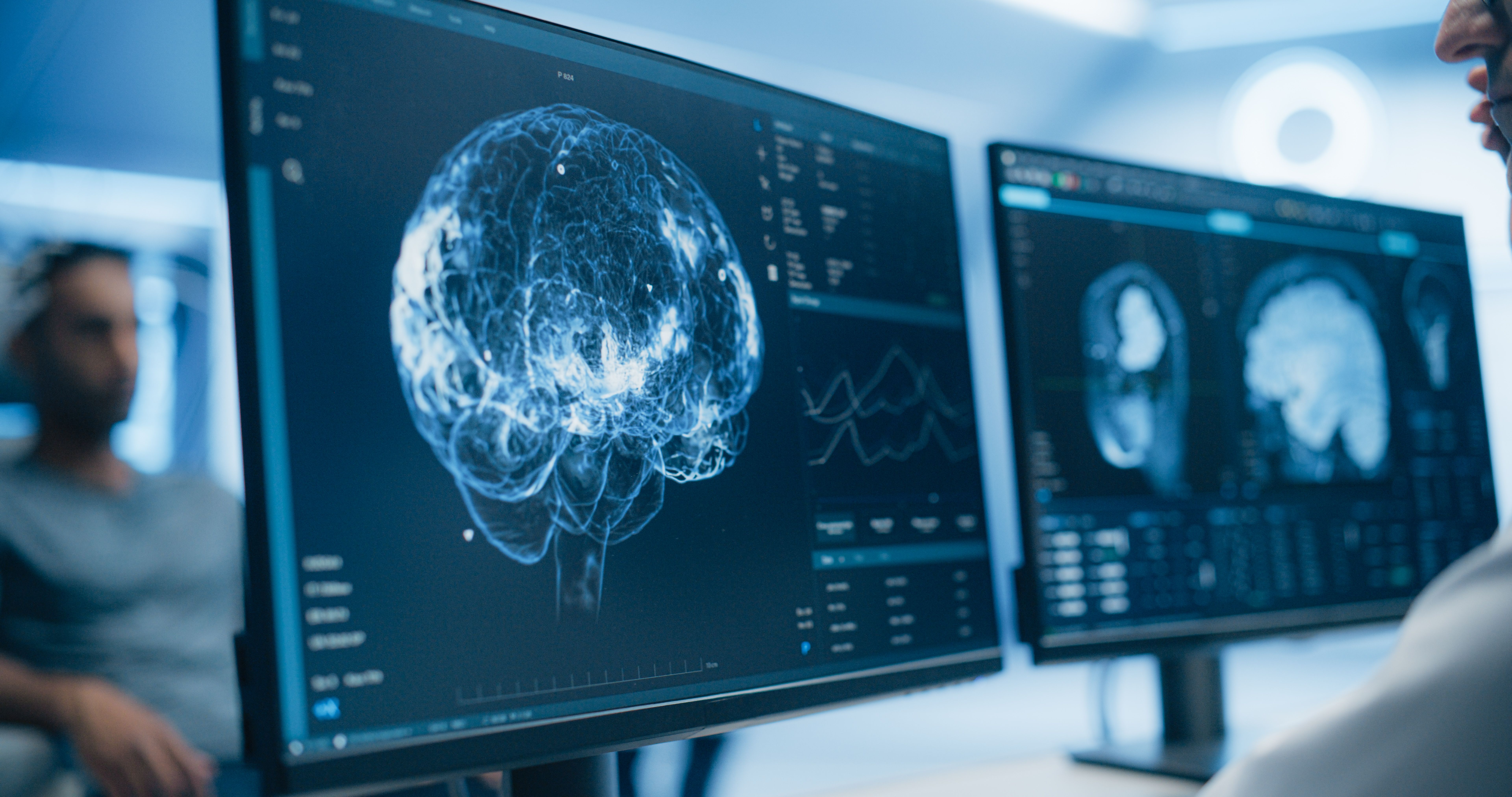
Some believe that EEG results are always definitive, but interpreting the data requires expertise. EEG patterns can vary significantly between individuals, and a trained neurologist must analyze the results to provide an accurate diagnosis.
Understanding the complexity and nuances in EEG data is essential to making informed medical decisions, highlighting the importance of expert analysis.
Conclusion
Dispelling these myths about EEG testing helps in recognizing its significance and utility in modern medicine. By understanding the truth behind these common misconceptions, patients can approach EEG testing with confidence and clarity.
As we continue to explore the capabilities of EEG technology, its role in enhancing our understanding of the brain and improving patient care remains invaluable.