Case Study: Successful Diagnosis and Treatment Through EEG Testing
Introduction to EEG Testing
Electroencephalography (EEG) is a non-invasive test that records electrical activity in the brain. It is used in the diagnosis and treatment of various neurological disorders. Through the analysis of brain wave patterns, healthcare professionals can detect abnormalities associated with conditions such as epilepsy, sleep disorders, and more.
Understanding the Process
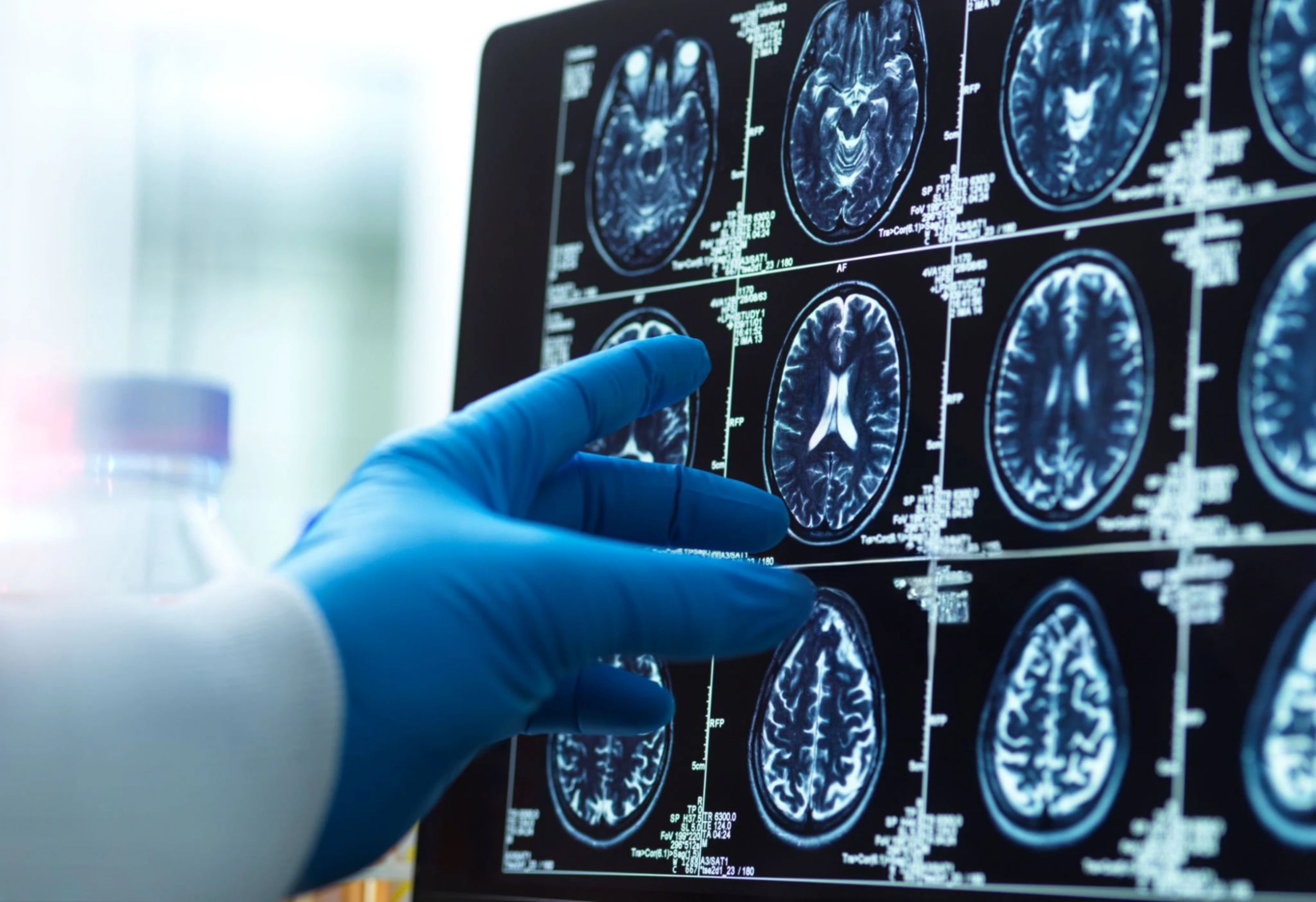
EEG testing involves placing electrodes on the scalp to measure electrical impulses. This process is painless and typically takes between 30 to 60 minutes. The data collected is then analyzed by neurologists to identify any irregular brain activity. Accuracy and precision are crucial in this step, as they directly impact the diagnosis and subsequent treatment plan.
The Role of EEG in Diagnosis
EEG is particularly effective in diagnosing epilepsy. It helps in identifying the type of seizure a patient is experiencing, which is essential for effective treatment planning. Moreover, EEG can detect brain wave patterns that indicate other disorders, such as brain tumors or head injuries, making it a versatile diagnostic tool.

A Case Study: Successful Diagnosis
Consider the case of a 25-year-old patient experiencing unexplained seizures. Traditional imaging methods failed to provide a clear diagnosis. However, an EEG test revealed abnormal brain waves indicative of epilepsy. This crucial discovery allowed for the development of a targeted treatment plan, significantly improving the patient's quality of life.
Treatment Tailored to Diagnosis
Once a diagnosis is confirmed through EEG, a personalized treatment plan can be established. In the case of epilepsy, this might include medication, lifestyle adjustments, or even surgery. The ability to tailor treatment to the specific needs of the patient leads to better outcomes and improved management of the condition.

Benefits and Limitations
EEG testing offers numerous benefits, including its non-invasive nature and ability to provide real-time data. It is also a cost-effective diagnostic tool. However, there are limitations, such as its inability to provide precise anatomical details, which sometimes necessitates complementary imaging tests like MRI or CT scans.
Future Prospects
Advancements in EEG technology continue to enhance its diagnostic capabilities. Innovations such as portable EEG devices and improved data analysis techniques are making the test more accessible and efficient. As technology progresses, we can expect EEG to play an even more significant role in neurological diagnostics and treatment.
In conclusion, EEG testing is a cornerstone of modern neurology. Its ability to accurately diagnose and guide treatment plans makes it indispensable in the healthcare landscape. As we continue to innovate and refine these technologies, the future of neurological diagnostics looks promising.